10 Stunning Facts About Persian Cats That Will Melt Your Heart
Welcome to the enchanting world of Persian cats! Known for their luxurious coats and serene demeanor, these felines have captured the hearts of many pet lovers. In this article, we will explore ten stunning facts about Persian cats that will deepen your appreciation for these beautiful creatures. From their regal appearance to their gentle nature, get ready to be charmed by the unique qualities that make Persian cats one of the most beloved breeds.
1. A Regal Appearance: The Majestic Coat of Persian Cats
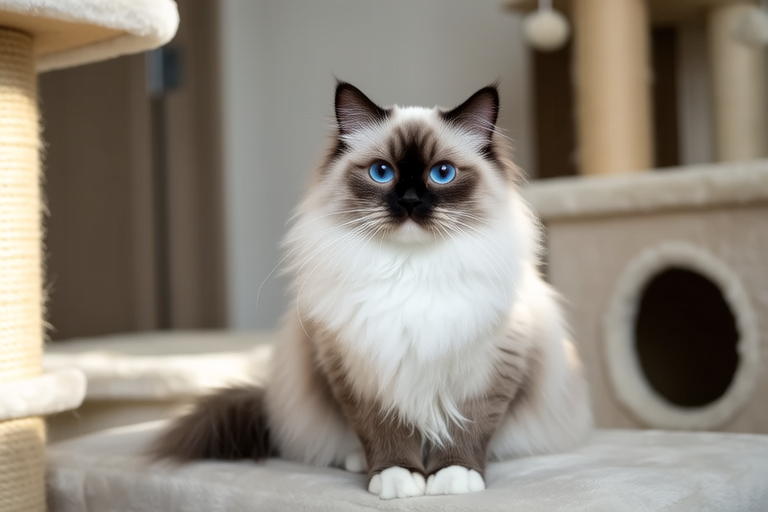
One glance at a Persian cat, and you’ll be mesmerized by its stunning coat. With their long, flowing fur and soft, plush texture, Persian cats exude elegance and grace. Their coat comes in a wide array of colors, including white, black, blue, cream, and silver, making each Persian cat truly unique. This luxurious coat requires regular grooming to keep it tangle-free and lustrous. Grooming sessions not only maintain the cat’s beauty but also strengthen the bond between you and your furry friend. Spend some quality time brushing your Persian cat’s coat, and you’ll both enjoy the experience.
2. Gentle Temperament: The Calm and Affectionate Nature of Persian Cats
Persian cats are known for their gentle and affectionate nature, making them excellent companions for families and individuals alike. These cats are often described as docile and easygoing, rarely showing signs of aggression or irritability. They tend to be patient and tolerant, especially around children and other pets. Persian cats thrive on attention and enjoy spending time with their human companions. Whether lounging on your lap or curling up beside you on the couch, they bring warmth and comfort to your home. Their calm demeanor makes them ideal for households seeking a peaceful and loving pet.
3. Grooming Needs: Maintaining the Persian Cat’s Luxurious Coat
While the Persian cat’s coat is a sight to behold, it does require significant grooming to maintain its luster. Daily brushing is essential to prevent matting and tangling, ensuring that your cat’s coat remains smooth and healthy. Additionally, regular bathing is necessary to keep the fur clean and free from dirt and debris. Proper grooming also helps prevent skin issues and keeps your cat comfortable. While the grooming process may seem daunting at first, it can become a delightful routine that you and your Persian cat both look forward to. With patience and practice, you’ll develop a grooming routine that keeps your cat looking and feeling its best.
4. Historical Background: The Royal Origins of Persian Cats
The history of Persian cats dates back centuries, with their origins tracing back to ancient Persia (modern-day Iran). These cats were highly valued by Persian royalty and were often kept as prized possessions in royal courts. Persian cats were later introduced to Europe in the 1600s and quickly gained popularity among nobility. Over time, they became one of the most sought-after cat breeds worldwide. Today, Persian cats continue to be cherished for their regal appearance and gentle nature, carrying on a legacy of elegance and grace. Their rich history adds to their allure, making them a fascinating breed to learn about.
5. Intelligence: The Sharp Minds of Persian Cats
Beneath their calm exterior lies a sharp mind. Persian cats are intelligent creatures capable of learning tricks and responding to commands. While they may not be as active or playful as some other breeds, they are still quick learners and enjoy mental stimulation. Puzzle toys and interactive games can help keep your Persian cat engaged and entertained. Their intelligence also extends to their ability to communicate with their owners. Persian cats can pick up on subtle cues and respond accordingly, forming a strong bond with their human companions. Take the time to engage with your Persian cat mentally, and you’ll discover a clever and attentive companion.
6. Vocalization Patterns: The Silent Presence of Persian Cats
Persian cats are often described as relatively quiet compared to other breeds. While they are not completely silent, they tend to be more reserved when it comes to vocalizing. Instead of meowing incessantly, Persian cats prefer to communicate through body language and gentle purring. However, if they feel neglected or uncomfortable, they may increase their vocalizations to catch your attention. Understanding your Persian cat’s communication style can help you better meet their needs and ensure their happiness. Take the time to observe your cat’s behavior and learn how they express themselves, and you’ll form a deeper connection with your feline friend.
7. Health Considerations: Caring for Your Persian Cat’s Well-being
While Persian cats are generally healthy, they are prone to certain health conditions due to their genetic makeup. One common issue is respiratory problems caused by their flattened faces, which can lead to breathing difficulties. Regular veterinary check-ups and proper care can help manage these conditions and ensure your cat’s overall well-being. It’s important to provide a clean and dust-free environment to minimize respiratory irritation. Additionally, Persian cats are susceptible to urinary tract infections, so maintaining a balanced diet and providing plenty of fresh water is crucial. By staying informed and proactive, you can help your Persian cat live a long and healthy life.
8. Adaptability: Persian Cats in Various Living Environments
Persian cats are adaptable to various living environments, making them suitable for both urban and rural settings. While they appreciate spacious areas to roam and play, they can also thrive in smaller homes as long as they have enough space to stretch and relax. Persian cats are generally content indoors, enjoying the comfort of their surroundings. However, they do require mental and physical stimulation to stay happy and healthy. Providing them with toys, scratching posts, and interactive playtime can help keep them engaged and entertained. With proper care and attention, Persian cats can flourish in a variety of living situations.
9. Interaction with Humans: The Bond Between Persian Cats and Their Owners
Persian cats are known for their strong bonds with their human companions. They enjoy spending time with their owners, often seeking out affection and attention. Many Persian cats are content to simply sit beside their humans, offering companionship and comfort. They are not overly demanding but appreciate being included in daily activities. Whether it’s lounging on the couch, following you from room to room, or sitting quietly by your side, Persian cats bring warmth and companionship to your life. Their gentle nature and desire for companionship make them ideal pets for those who seek a close relationship with their feline friends.
10. Unique Behaviors: Fascinating Traits of Persian Cats
Persian cats possess several unique behaviors that set them apart from other breeds. One notable trait is their love for high perches, where they can observe their surroundings from above. You might find your Persian cat perched on top of cabinets, shelves, or even window sills, taking in the sights and sounds of their environment. Another interesting behavior is their tendency to be selective about their food. Persian cats often have specific preferences and may refuse to eat certain types of food. Offering a variety of high-quality cat foods and treats can help satisfy their discerning palates. Additionally, Persian cats are known for their gentle purring, which can be soothing and comforting for their owners. Their unique behaviors add charm and personality to these already beloved felines.
In conclusion, Persian cats are truly remarkable creatures with a wealth of endearing qualities. From their majestic coats to their gentle temperaments, these cats offer companionship, beauty, and joy to their human families. By understanding their grooming needs, health considerations, and unique behaviors, you can provide the best possible care for your Persian cat. Embrace the opportunity to form a deep and meaningful bond with these wonderful animals, and you’ll discover a lifetime of love and companionship. So, whether you’re considering adopting a Persian cat or already have one as a cherished member of your family, take the time to appreciate all the stunning aspects that make these felines so special.
