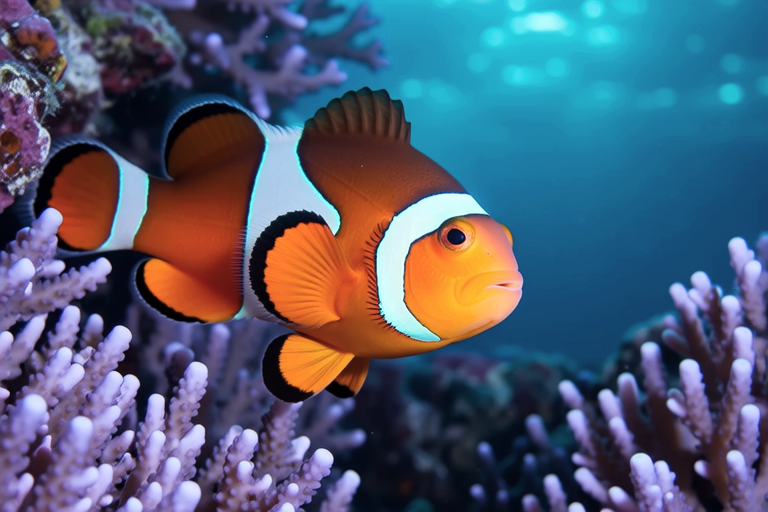
Diverse World of Clownfish Species Beyond Nemo
While the orange clownfish (Amphiprion percula) is undoubtedly the most famous member of the clownfish family, there are over thirty species of clownfish, each with unique characteristics, habitats, and behaviors. This article explores the lesser-known species, highlighting their distinct traits, geographical distributions, and ecological roles.
Scientific Classification and Distribution
Clownfish belong to the genus Amphiprion, which contains 29 recognized species, and the genus Periclimenes, which includes one species, Periclimenes imperator. These fish are native to the tropical waters of the Indian and Pacific Oceans, ranging from the eastern coast of Africa to the central Pacific islands, including the Great Barrier Reef and the Red Sea.
Unique Characteristics and Adaptations
Each clownfish species has evolved specific adaptations to thrive in its habitat. For instance, the Clark’s anemonefish (Amphiprion clarkii) can tolerate a wide range of water temperatures, making it one of the most widespread clownfish species. In contrast, the Hawaiian cleanerfish (Amphiprion mccullochi) is endemic to Hawaii and has adapted to the cooler waters of the region.
Clownfish have a mutualistic relationship with sea anemones, where both organisms benefit from each other. The anemone provides protection for the clownfish by shielding it from predators, while the clownfish helps the anemone by feeding on parasites and dead tentacles. Additionally, some species, like the tomato clownfish (Amphiprion frenatus), have developed specialized mucus that allows them to avoid the stinging cells of the anemone.
Dietary Preferences and Behaviors
Clownfish are omnivorous, feeding on algae, plankton, and small invertebrates. However, their dietary preferences vary depending on their species and habitat. For example, the red and black clownfish (Amphiprion melanopus) primarily feed on zooplankton, while the skunk clownfish (Amphiprion akallopisos) prefers a more carnivorous diet, consuming small fish and shrimp.
These fish exhibit fascinating behaviors, such as cleaning symbiosis, where they remove parasites from other fish. This behavior not only benefits the clownfish by providing food but also strengthens their relationship with other marine creatures. Some species, like the maroon clownfish (Premnas biaculeatus), are territorial and aggressive, defending their anemone from intruders.
Conservation Statuses
Despite their popularity in aquariums, many clownfish species face threats in the wild, including habitat destruction, climate change, and overfishing. The orange clownfish is listed as Least Concern by the International Union for Conservation of Nature (IUCN), but several other species, such as the cinnamon clownfish (Amphiprion melanopus), are classified as Vulnerable.
Myths and Interesting Facts
One myth about clownfish is that they can change sex at will. While it is true that clownfish can change sex, this process is not spontaneous. Instead, it occurs when the dominant female in a group dies, and the largest male takes her place. Another misconception is that all clownfish live in sea anemones. While most species do form symbiotic relationships with anemones, some, like the false clownfish (Amphiprion ocellaris), can survive without them.
Interestingly, clownfish can communicate through sound, producing clicks and pops to attract mates or defend territory. They also display complex social structures, with groups typically consisting of a dominant breeding pair and several non-breeding individuals.
Challenges in the Wild and Captivity
In the wild, clownfish face numerous challenges, including predation, competition for resources, and environmental changes. In captivity, they require specific care, including appropriate water conditions, a balanced diet, and suitable tank mates. Many aquarists choose to keep clownfish because of their vibrant colors and interesting behaviors, but it is essential to ensure proper care to prevent stress and disease.
Importance of Studying Clownfish
Studying clownfish is crucial for understanding marine biodiversity and ecosystem dynamics. By examining these fish, researchers can gain insights into the effects of climate change, pollution, and human activities on coral reefs and other marine environments. Additionally, clownfish serve as indicators of overall reef health, as declines in their populations may signal broader issues within the ecosystem.
Moreover, research on clownfish can contribute to the development of sustainable aquaculture practices, reducing pressure on wild populations and promoting responsible aquarium ownership. Finally, understanding the complex relationships between clownfish and their anemone hosts can inform conservation strategies, helping to protect these vital ecosystems.
