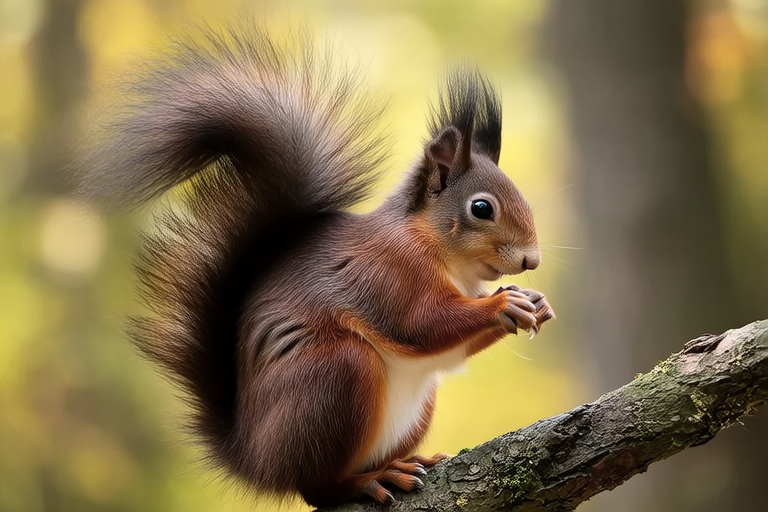
Squirrel Spotting: Tips for Photographing These Wild Wonders
Wildlife photography offers a unique opportunity to capture the beauty and behavior of creatures in their natural habitats. Among the most accessible subjects for aspiring photographers are squirrels. These adaptable rodents can be found in urban parks, suburban gardens, and deep within forests. Their ubiquity and engaging antics make them ideal subjects for those learning the ropes of wildlife photography. This article will provide a comprehensive guide to photographing these wild wonders, covering everything from equipment to ethics.
The Behavior and Habitats of Squirrels
Squirrels are a diverse group of rodents found across North America, Europe, Asia, and Africa. They belong to the family Sciuridae, which includes tree squirrels, ground squirrels, flying squirrels, and marmots. Despite their commonality, squirrels exhibit a range of behaviors and adaptations suited to their specific environments.
Tree squirrels, such as the eastern gray squirrel (Sciurus carolinensis) and the red squirrel (Tamiasciurus hudsonicus), are often seen in urban and rural areas. They are highly agile climbers and spend much of their time in trees, where they build nests called dreys. Ground squirrels, like the thirteen-lined ground squirrel (Ictidomys tridecemlineatus), prefer open fields and grasslands, while flying squirrels (Glaucomys spp.) are nocturnal and glide between trees using skin flaps along their sides.
Squirrels are opportunistic feeders, primarily consuming nuts, seeds, fruits, and fungi. However, they will also eat insects, bird eggs, and even small vertebrates when food is scarce. Their diet varies depending on the season and availability of resources. In autumn, for example, squirrels engage in scatter hoarding, burying individual nuts and seeds in various locations to ensure food availability throughout winter.
Squirrels are social animals, often living in colonies or territories. They communicate through vocalizations, body language, and scent marking. Understanding their behavior and habitats is crucial for successfully photographing these elusive creatures.
Equipment for Capturing Squirrels
Choosing the right equipment is essential for capturing high-quality images of squirrels. While professional-grade gear may not be necessary for beginners, investing in quality equipment will improve your chances of success. The following sections outline recommended cameras, lenses, and accessories for wildlife photography.
Digital Cameras
For wildlife photography, a DSLR or mirrorless camera is preferable due to their interchangeable lenses and superior image quality. Popular brands include Canon, Nikon, Sony, and Fujifilm. When selecting a camera, consider factors such as resolution, autofocus speed, and continuous shooting capabilities. A camera with at least 24 megapixels is recommended for printing large images or cropping without losing detail.
Lenses
A telephoto lens is essential for wildlife photography, allowing you to capture detailed images from a distance. Lenses with focal lengths ranging from 85mm to 600mm are ideal for photographing squirrels. Prime lenses offer better image quality and shallower depth of field compared to zoom lenses, but they lack flexibility. If you prefer a single lens, a 200mm f/2.8 prime lens or a 70-200mm f/2.8 zoom lens is a good starting point.
Teleconverters can extend the reach of your lenses, providing additional magnification. However, they reduce light transmission and increase chromatic aberration, so it’s best to use them sparingly. Additionally, macro lenses allow you to capture close-up details of squirrels’ fur, eyes, and other features.
Accessories
Several accessories can enhance your wildlife photography experience. A tripod stabilizes your camera, reducing camera shake and enabling longer exposures. A monopod provides similar benefits but is more portable and easier to maneuver. A remote shutter release or camera app allows you to trigger the shutter without touching the camera, minimizing vibrations.
Protective gear, such as rain covers and UV filters, safeguards your equipment from the elements. A camera bag with padded compartments ensures safe transport and storage. Finally, a field guide or app helps identify different species of squirrels and their distinguishing characteristics.
Finding and Approaching Squirrels
Locating squirrels in their natural habitats requires patience and persistence. Begin by researching local parks, nature reserves, and wildlife sanctuaries known for their squirrel populations. Early morning and late afternoon are optimal times for spotting squirrels, as they are most active during these periods.
Approach squirrels slowly and quietly, avoiding sudden movements or loud noises. Carry binoculars or a spotting scope to observe squirrels from a distance before setting up your camera. Use natural cover, such as bushes or trees, to conceal your presence. Patience is key; it may take several attempts to get the desired shot.
Respect squirrels’ personal space and avoid disturbing their natural behavior. Do not attempt to lure squirrels with food, as this can alter their feeding patterns and disrupt their ecosystem. Instead, rely on natural sounds and movements to attract their attention.
Tips for Capturing Dynamic and Intimate Shots
Capturing dynamic and intimate shots of squirrels requires careful consideration of angles, lighting, and timing. By experimenting with these elements, you can create compelling images that showcase squirrels’ personalities and behaviors.
Angles and Composition
Varying your angle can dramatically affect the composition of your photographs. Try shooting from low angles to emphasize the subject’s size and power. Alternatively, shoot from above to create a more intimate portrait. Experiment with different perspectives to find the most effective angle for each scene.
Pay attention to the rule of thirds, dividing the frame into nine equal parts and placing your subject along the lines or intersections. This technique creates balanced compositions and draws the viewer’s eye to the subject. Additionally, consider leading lines, such as paths or branches, to guide the viewer’s gaze through the image.
Lighting and Timing
Lighting plays a crucial role in wildlife photography. Soft, diffused light during the golden hour (early morning and late afternoon) produces warm, flattering tones and minimizes harsh shadows. Conversely, bright midday sunlight can create unflattering highlights and underexposed areas. Overcast days provide even, soft light, ideal for photographing fine details.
Timing is equally important. Anticipate squirrels’ actions by observing their behavior and predicting their next move. For example, watch for squirrels preparing to leap or climb, then press the shutter just before the action occurs. Continuous shooting mode allows you to capture multiple frames, increasing your chances of getting the perfect shot.
Ethical Considerations in Wildlife Photography
Responsible wildlife photography promotes the well-being of animals and their environments. Always prioritize the safety and comfort of your subjects. Avoid using flash or strobe lights, as they can startle or harm squirrels. Similarly, refrain from luring squirrels with food or bait, as this can alter their natural behavior and disrupt ecosystems.
Observe park and reserve regulations, obtaining permits if necessary. Respect private property and obtain permission before entering restricted areas. Finally, share your knowledge and experiences with fellow photographers, encouraging ethical practices and conservation efforts.
In conclusion, photographing squirrels is an enriching experience that combines patience, creativity, and respect for nature. By understanding squirrels’ behavior and habitats, selecting appropriate equipment, and employing ethical practices, you can capture stunning images that celebrate these wild wonders. Remember, the goal is not only to document their existence but also to inspire others to appreciate and protect these remarkable creatures.
