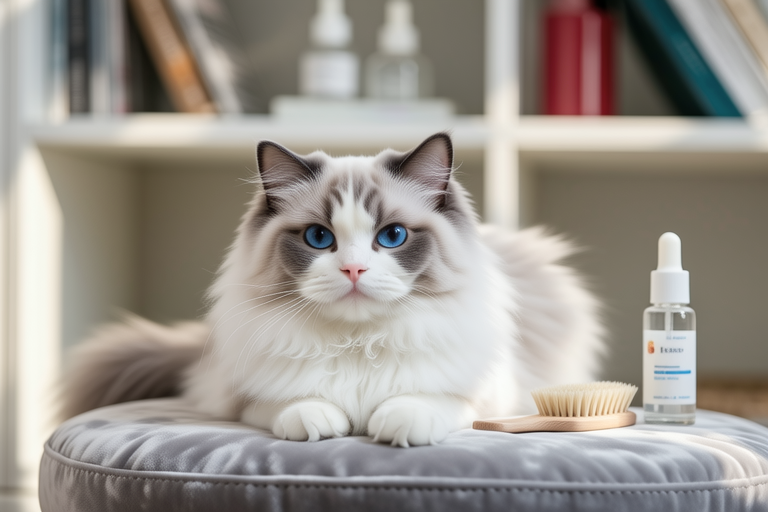
Top Secrets Every Persian Cat Owner Should Know
Persian cats are among the most popular and recognizable breeds of domestic cats. Their long, luxurious coats, expressive eyes, and gentle demeanor have captured the hearts of cat lovers worldwide. However, owning a Persian cat comes with unique responsibilities that every owner should be aware of. From grooming tips to dietary needs and beyond, this guide will provide you with all the secrets every Persian cat owner should know.
The History and Behavior of Persian Cats
Persian cats have a rich history dating back centuries. Originating from Persia (modern-day Iran), these felines were first introduced to Europe during the 17th century. They quickly became favorites among the aristocracy due to their elegant appearance and docile nature. Over time, selective breeding has resulted in the distinctively flat faces and long, flowing coats that we associate with Persian cats today.
Persians are known for their calm and affectionate personalities. They tend to be more laid-back than other breeds, making them excellent companions for those seeking a peaceful and serene pet. However, this doesn’t mean they lack energy or interest in play; rather, they prefer quieter, more subdued activities that don’t require excessive physical exertion.
Grooming Tips for Your Persian Cat’s Long Coat
One of the most distinctive features of Persian cats is their thick, luxurious fur. While it’s beautiful, it also requires significant care to maintain its health and appearance. Regular grooming is essential to prevent matting and tangling, which can lead to discomfort and even skin irritations for your cat.
- Daily Brushing: Use a soft-bristled brush or a slicker brush designed for long-haired cats. Gently brush your cat’s coat in the direction of hair growth, paying special attention to areas prone to tangles, such as behind the ears and under the legs.
- Bathing: Bathe your Persian cat every few weeks using a gentle, pH-balanced shampoo formulated for cats. Be sure to rinse thoroughly to avoid leaving any residue that could irritate your cat’s sensitive skin.
- Trimming: Trim any excessively long fur around the face, paws, and tail to prevent tangling and matting. This can be done by a professional groomer or at home with careful trimming.
- Eye Care: Due to their flattened faces, Persian cats are prone to tear staining and eye discharge. Wipe away any excess moisture with a damp cotton ball or soft cloth daily.
Dietary Needs Tailored for Persian Cats
Just like humans, cats have specific nutritional requirements to stay healthy and active. Persian cats, in particular, need a balanced diet that supports their unique physiology and helps manage potential health issues.
- High-Quality Protein: Look for cat food that lists meat as the primary ingredient. High-quality protein sources like chicken, turkey, and fish provide the essential amino acids necessary for muscle development and overall health.
- Low Carbohydrates: Persian cats are susceptible to obesity, so choosing a low-carbohydrate diet can help maintain a healthy weight. Avoid foods with fillers like corn or wheat, which can contribute to weight gain.
- Water Intake: Encourage your Persian to drink plenty of water. Wet food can be a good option as it contains higher moisture content compared to dry kibble, promoting better hydration.
- Supplements: Consider adding omega-3 fatty acids to your cat’s diet through supplements or specially formulated foods. These nutrients support skin and coat health, reducing the likelihood of dryness and flakiness.
Common Health Issues and How to Prevent Them
Persian cats are predisposed to certain health conditions due to their genetics and physical characteristics. By understanding these risks, you can take proactive steps to ensure your cat lives a long and healthy life.
- Respiratory Problems: The flattened faces of Persian cats can lead to breathing difficulties. Keep your home well-ventilated and monitor your cat for signs of respiratory distress, such as labored breathing or excessive panting.
- Eye Infections: Tear staining and frequent eye discharge make Persian cats more susceptible to infections. Regular cleaning of the eyes with a gentle cleanser can help prevent bacterial buildup.
- Dental Disease: Tartar buildup and gum disease are common in older cats. Provide dental treats and brushes specifically designed for cats, and schedule regular dental cleanings with your veterinarian.
- Obesity: Maintaining a healthy weight is crucial for preventing joint problems and other health issues. Monitor your cat’s food intake and engage them in regular exercise to promote a healthy lifestyle.
The Importance of Regular Vet Check-Ups
Scheduling routine veterinary visits is one of the best ways to ensure your Persian cat stays healthy. Regular check-ups allow your vet to catch potential health issues early, before they become serious. During these appointments, your vet may perform blood tests, dental exams, and other diagnostic procedures to assess your cat’s overall health.
In addition to regular check-ups, be mindful of any changes in your cat’s behavior or appearance. Sudden weight loss, decreased appetite, or unusual lethargy could indicate an underlying health problem and warrant immediate attention.
Suitable Toys and Activities for Mental Stimulation
Persian cats are intelligent animals that require mental stimulation to stay happy and engaged. Providing a variety of toys and activities can help keep your cat mentally sharp and physically active.
- Interactive Toys: Puzzle feeders and treat-dispensing toys encourage your cat to use their natural hunting instincts. These toys not only provide entertainment but also help maintain cognitive function.
- Cat Trees: Tall cat trees with multiple levels and scratching posts offer both vertical space and opportunities for climbing and scratching. This can satisfy your cat’s need for exercise while providing a safe outlet for their energy.
- Playtime: Spend quality time playing with your cat using feather wands, laser pointers, or other interactive toys. Not only does this strengthen the bond between you and your pet, but it also provides valuable exercise.
- Training: Teaching your Persian basic commands or tricks can stimulate their minds and provide a sense of accomplishment. Positive reinforcement techniques, such as treats and praise, work best for training cats.
Creating a Comfortable Living Environment
A comfortable living environment is essential for the well-being of your Persian cat. Consider the following factors when setting up your home:
- Temperature Control: Persian cats thrive in moderate temperatures. Ensure your home is neither too hot nor too cold, especially if you live in extreme climates.
- Soft Bedding: Provide cozy beds or blankets for your cat to rest on. Persian cats often enjoy curling up in soft, plush environments.
- Quiet Spaces: While Persian cats are generally calm, they still appreciate having quiet spaces where they can retreat when feeling overwhelmed. Consider setting up a designated area with a comfortable bed and some toys.
- Toilet Training: Many Persian owners choose to litter train their cats indoors. This can help keep your home clean and reduce odors associated with outdoor defecation.
Owning a Persian cat is a rewarding experience filled with love, companionship, and joy. By understanding their unique needs and taking proactive steps to care for them, you can ensure your Persian cat enjoys a long, healthy, and happy life. Remember, every cat is different, so tailor your approach based on your individual pet’s preferences and behaviors.
