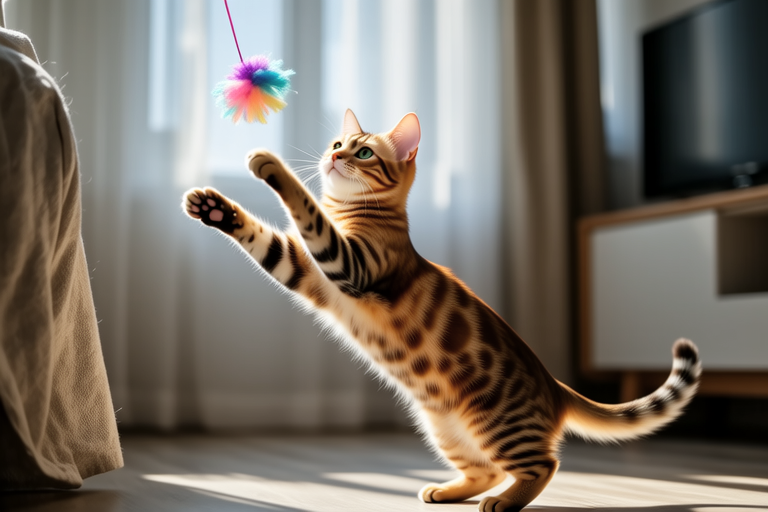
Abyssinian Cats: A Delightful Companion
The Abyssinian cat is a breed known for its charm, intelligence, and playful nature. With a rich history dating back centuries, these cats have captured the hearts of many cat enthusiasts. Their striking appearance, combined with their engaging personalities, makes them an ideal pet for those looking for a companion that is both affectionate and active.
Physical Traits of Abyssinian Cats
Abyssinians are medium-sized cats with a sleek, muscular build. They typically weigh between 7 and 10 pounds, with males being slightly larger than females. One of the most distinctive features of the Abyssinian is their short, fine coat, which has a unique ticking pattern. Each hair shaft has multiple bands of color, creating a shimmering effect that gives them a wild and exotic look. The coat can come in various colors, including ruddy (the most common), blue, fawn, and cinnamon.
Another notable characteristic is their large, expressive eyes, which are usually green or gold. Their ears are large and set high on their heads, giving them an alert and attentive appearance. Their slender legs and dainty paws add to their graceful and elegant demeanor. Overall, Abyssinians possess a regal presence that is hard to ignore.
Historical Background
The origins of the Abyssinian cat are somewhat shrouded in mystery. While it is believed that they originated from ancient Egypt, there is no concrete evidence to support this claim. However, one theory suggests that they were brought to England by British soldiers returning from Abyssinia (now Ethiopia) after the Abyssinian War in the mid-19th century. The first recorded Abyssinian cat in Britain was named Zula, who was exhibited at the Crystal Palace Cat Show in 1871.
Despite their name, Abyssinians are not native to Ethiopia but were likely developed through selective breeding in Europe. Over time, they became popular among cat fanciers and were eventually introduced to North America. Today, Abyssinians are recognized by several cat registries worldwide and continue to be admired for their beauty and personality.
Abyssinian Cats’ Playful Nature
Abyssinians are known for their high energy levels and love of play. They are curious creatures, always eager to explore their surroundings and investigate new objects. This natural curiosity often leads them to engage in playful antics, making them entertaining companions. They enjoy interactive toys that stimulate their minds and bodies, such as feather wands, puzzle feeders, and laser pointers.
One of the most endearing qualities of Abyssinians is their ability to bond closely with their human family. They thrive on attention and interaction, often following their owners around the house or sitting beside them while they work or relax. Their affectionate nature makes them excellent pets for individuals or families looking for a loving and devoted companion.
Common Activities Enjoyed by Abyssinians
In addition to playing with toys, Abyssinians also enjoy climbing and perching. Providing them with tall cat trees or shelves allows them to survey their territory and feel secure. They are also adept at jumping and leaping, so having windowsills or other elevated spaces where they can observe the world outside can provide them with hours of entertainment.
Another activity that Abyssinians enjoy is chasing after small, moving objects. This could include anything from a feather attached to a string to a toy mouse on a spring. These games not only satisfy their hunting instincts but also help keep them physically fit. Additionally, Abyssinians are intelligent animals that appreciate mental stimulation. Puzzle toys that require problem-solving skills can keep them engaged and prevent boredom.
Engaging Abyssinian Cats in Play
To keep your Abyssinian entertained and happy, it’s important to provide them with a variety of toys and activities. Interactive play sessions are essential for maintaining their physical and mental well-being. Try incorporating different types of toys into your routine, such as those that mimic prey animals or encourage jumping and climbing.
When playing with your Abyssinian, pay attention to their body language. If they seem overly aggressive or stressed during playtime, it may be necessary to adjust the intensity or type of toy being used. Always ensure that any toy you use is safe for your cat and does not pose a choking hazard.
Tips for Potential Owners
If you’re considering adopting an Abyssinian cat, there are several factors to keep in mind. First and foremost, these cats require plenty of attention and stimulation. They do not do well when left alone for long periods of time, so if you have a busy lifestyle, you may want to consider another breed. Additionally, Abyssinians tend to be more vocal than some other breeds, so if you live in a quiet apartment or share walls with neighbors, this could be a consideration.
Grooming is relatively easy with Abyssinians due to their short coats, but regular brushing can help remove loose hairs and prevent matting. Their nails should also be trimmed regularly to avoid overgrowth. Lastly, it’s important to provide your Abyssinian with a balanced diet and access to clean water. Regular veterinary check-ups are also recommended to ensure their overall health and well-being.
Anecdotes Illustrating Abyssinian Personalities
One owner shared a story about her Abyssinian, named Luna, who had a particular fondness for window sills. Every morning, Luna would position herself perfectly on the sill, watching the birds and squirrels outside. Her owner found it amusing how she would remain completely still, as if she were a statue, until something caught her eye. Then, she would suddenly spring into action, darting across the room to retrieve a toy or chase after a shadow.
Another owner recounted how his Abyssinian, Max, had a habit of opening cabinets. Despite numerous attempts to discourage this behavior, Max continued to find ways to unlatch doors and explore the contents inside. His owner eventually installed child-proof locks to prevent any mishaps. However, Max’s cleverness and determination made him a beloved member of the household.
Conclusion
Abyssinian cats are truly delightful companions, offering a unique blend of intelligence, curiosity, and affection. Their playful nature and engaging personalities make them an ideal choice for those seeking an interactive and loving pet. By understanding their needs and providing appropriate care, owners can ensure that their Abyssinian lives a happy and fulfilling life. Whether you’re a seasoned cat enthusiast or considering adding an Abyssinian to your family, these fascinating creatures are sure to bring joy and amusement to your home.
