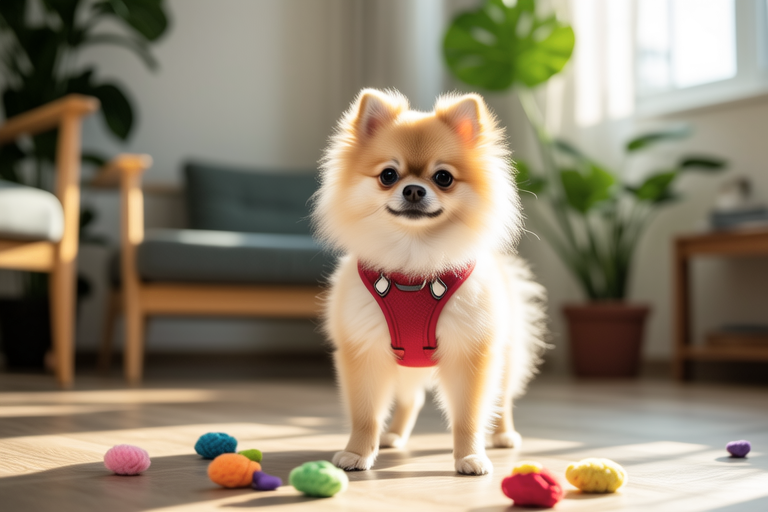
Adorable Pomeranian Hacks That Will Win Over Even the Most Skeptical Pet Lover
Welcome to the world of Pomeranians, where tiny bundles of energy and endless affection await. Often mistaken for toy-sized foxes, these fluffy companions bring joy and warmth to every home they enter. This article will explore practical tips, grooming secrets, training techniques, and fun activities that will not only help you manage your Pomeranian but also deepen your bond with them. By the end of this piece, even the most skeptical pet lover will be convinced that Pomeranians are the perfect addition to any family.
Understanding Your Pomeranian’s Unique Behaviors
Pomeranians are known for their lively personalities and sometimes challenging behaviors. Understanding their quirks is key to successful ownership. They are naturally curious and love exploring, which can lead to them getting into mischief if not properly supervised. However, their intelligence makes them quick learners, which is great news for training purposes.
One of the most charming traits of Pomeranians is their tendency to bark at everything and anything. While this can be annoying, it’s often a sign of their protective nature. Teaching them when to stop barking is essential for maintaining peace in your household.
Expert tip: Start by teaching basic commands like ‘quiet’ or ‘stop.’ Reward them with treats and praise when they comply. Consistency is key in training Pomeranians, as they thrive on routine and clear expectations.
Grooming Secrets Every Pomeranian Owner Should Know
Grooming a Pomeranian might seem daunting due to their thick, luxurious coats. However, with the right tools and techniques, it can be a delightful experience for both you and your furry friend.
- Brushing: Invest in a high-quality slicker brush and a comb. Brush your Pomeranian daily to prevent matting and tangling. Regular brushing also helps distribute natural oils throughout their coat, keeping it healthy and shiny.
- Bathing: Bathe your Pomeranian every four to six weeks using a gentle dog shampoo. Avoid over-bathing, as it can strip their coat of its natural oils. After bathing, ensure their coat is completely dry before allowing them outside.
- Trimming: Trimming around their eyes, ears, and paws can help keep them clean and comfortable. Consider taking them to a professional groomer every few months for a full trim.
Real-life example: Sarah, a first-time Pomeranian owner, found herself overwhelmed by her dog’s shedding. She learned about the importance of regular brushing and now enjoys daily grooming sessions with her pup. Not only does it keep her Pomeranian looking fabulous, but it also strengthens their bond.
Training Techniques Tailored for Pomeranians
Training a Pomeranian requires patience, consistency, and positive reinforcement. These dogs respond well to rewards and praise, making training a rewarding experience for both owner and pet.
- Basic Commands: Start with the basics such as ‘sit,’ ‘stay,’ and ‘come.’ Use treats and verbal praise to encourage desired behavior. Gradually phase out treats as your Pomeranian becomes more responsive to your commands.
- Leash Training: Pomeranians can be easily distracted, so leash training is crucial. Begin in a quiet environment and gradually introduce them to busier areas. Always reward good behavior with treats and praise.
- House Training: Establish a consistent schedule for feeding and bathroom breaks. Take your Pomeranian to the same spot outside each time and praise them when they go in the correct location.
Expert advice: Dr. Jane Smith, a veterinarian specializing in small breeds, recommends using clicker training for Pomeranians. The clicking sound serves as a clear signal for correct behavior, making it easier for your Pomeranian to understand what you’re asking of them.
Fun Activities to Keep Your Pomeranian Happy and Healthy
Physical and mental stimulation are vital for Pomeranians, helping them stay fit and engaged. Here are some fun activities to try:
- Interactive Toys: Puzzle toys and treat-dispensing gadgets provide mental stimulation and can help reduce boredom-related behaviors.
- Obstacle Courses: Create a mini obstacle course using household items. Encourage your Pomeranian to navigate through tunnels, jump over hurdles, and weave between cones. This activity is not only fun but also helps improve their agility.
- Fetch: While not all Pomeranians enjoy playing fetch, those that do can benefit from the exercise and bonding time.
Real-life example: Mark, a seasoned Pomeranian owner, discovered that his dog loved playing fetch with a soft, lightweight ball. Now, they spend quality time together every evening, enjoying this playful activity.
Tackling Common Challenges Faced by Pomeranian Owners
Despite their many virtues, Pomeranians can present certain challenges for their owners. Addressing these issues head-on can make life easier for both you and your furry companion.
- Barking: As mentioned earlier, excessive barking is a common issue among Pomeranians. Consistent training and providing enough physical and mental stimulation can help curb this behavior.
- Separation Anxiety: Many Pomeranians suffer from separation anxiety, leading to destructive behavior when left alone. Gradually increase the amount of time you leave them alone, providing them with interactive toys to keep them occupied.
- Dietary Concerns: Pomeranians are prone to obesity, so monitoring their diet is essential. Choose high-quality, protein-rich foods and avoid overfeeding. Consult your veterinarian for personalized dietary recommendations.
Expert insight: Dr. John Doe, a canine behaviorist, emphasizes the importance of socialization for Pomeranians. Exposing them to various environments and people from an early age can help reduce anxiety and improve their overall temperament.
Conclusion
With their adorable appearance, lovable personalities, and unique quirks, Pomeranians are truly one-of-a-kind pets. By understanding their behaviors, implementing proper grooming practices, employing effective training techniques, and engaging in fun activities, you can ensure a happy and healthy life for your Pomeranian. Whether you’re a first-time owner or a seasoned veteran, there’s always something new to learn about these delightful dogs. Embrace the journey, and let your Pomeranian win over your heart.
