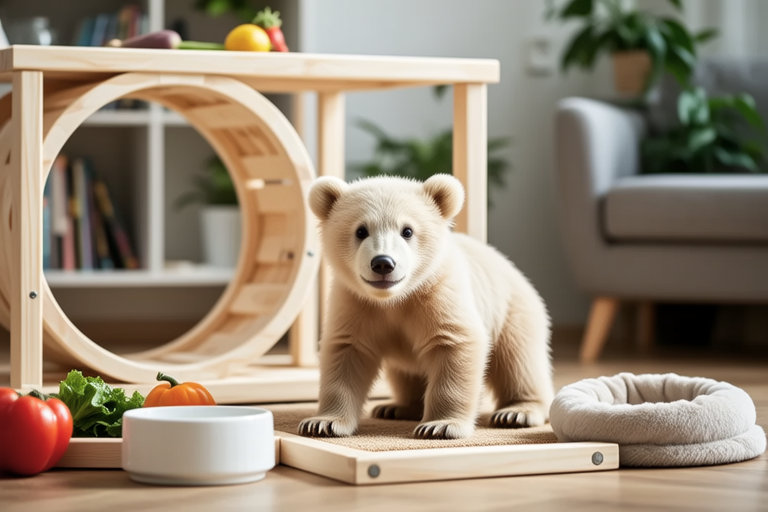
How to Create the Perfect Habitat for Your Lively Golden Hamster
Golden hamsters are small, lively creatures that require a carefully designed habitat to thrive. Providing an ideal environment is crucial for their health and happiness. This guide will walk you through the steps to create the perfect habitat for your golden hamster, covering essential aspects such as habitat size, bedding materials, toys and accessories, hiding spots, temperature and lighting conditions, exercise options, feeding areas, and cleaning routines.
Habitat Size
The first step in creating the perfect habitat for your golden hamster is choosing the right size enclosure. A minimum cage size of at least 800 square inches (approximately 5 feet by 1.5 feet) is recommended. Larger cages allow more space for exploration and physical activity, which are important for a hamster’s well-being. The cage should be tall enough to accommodate vertical climbing and jumping, with a minimum height of about 12 inches.
Appropriate Bedding Materials
Choosing the right bedding material is essential for your hamster’s comfort and hygiene. Avoid cedar and pine shavings, as they can cause respiratory issues and skin irritation. Opt for dust-free, absorbent bedding like paper-based products or recycled paper pellets. These materials are soft, comfortable, and easy to clean. Provide a layer of bedding approximately 2-3 inches deep to ensure your hamster has enough space to burrow and nest.
Necessary Toys and Accessories for Mental Stimulation
To keep your golden hamster mentally stimulated and entertained, include a variety of toys and accessories in its habitat. Chew toys made from safe materials like untreated wood or cardboard help wear down their continuously growing teeth. Tunnels, wheels, and ladders provide opportunities for physical activity and exploration. Puzzle feeders offer mental challenges and encourage natural foraging behaviors. Rotate toys regularly to prevent boredom and maintain interest.
Suitable Hiding Spots
Golden hamsters are naturally burrowing animals that need a quiet, cozy place to retreat and feel secure. Offer a variety of hiding spots within the habitat, such as tunnels, wooden houses, or small cardboard boxes with entry holes. These spaces provide a sense of security and privacy, reducing stress and promoting overall well-being. Ensure that hiding spots are easily accessible and spacious enough for your hamster to move around comfortably.
Proper Temperature and Lighting Conditions
Maintaining a suitable temperature and lighting environment is vital for your hamster’s health. Golden hamsters thrive in temperatures between 65°F and 75°F (18°C to 24°C). Avoid placing the cage near drafts, direct sunlight, or heat sources. Provide a consistent daily cycle of light and darkness, with 12 hours of light and 12 hours of darkness. Use a low-wattage bulb or a night-light to simulate natural day-night cycles without causing overheating. Ensure the cage has good ventilation but avoid placing it in areas with excessive noise or movement.
Safe and Enriching Exercise Options
Exercise is crucial for maintaining your hamster’s physical and mental health. In addition to providing a large cage with plenty of space to run and explore, include a solid-surface wheel that is at least 8 inches in diameter. Ensure the wheel is sturdy and free from gaps to prevent injuries. Other safe exercise options include tunnels, bridges, and ramps that encourage climbing and jumping. Rotate these items periodically to keep your hamster engaged and active.
Feeding Areas
Designate a specific area within the habitat for feeding to establish a routine and minimize mess. Use a shallow dish or feeder that is easy for your hamster to access. Feed your hamster a balanced diet consisting of high-quality hamster food, fresh vegetables, and occasional treats. Place the feeder in a quiet corner away from the main living area to reduce distractions during mealtime. Clean the feeder regularly to prevent mold growth and contamination.
Cleaning Routines
A clean habitat is essential for your hamster’s health and longevity. Develop a regular cleaning schedule to maintain hygiene and prevent odor buildup. Spot-clean the cage daily, removing soiled bedding and waste. Deep clean the entire habitat once a week, thoroughly scrubbing all surfaces and replacing the bedding. Use mild, pet-safe disinfectants and rinse thoroughly before returning your hamster to its cleaned home. Avoid using strong chemicals or fragrances that may irritate your hamster’s sensitive respiratory system.
Conclusion
Creating the perfect habitat for your golden hamster requires attention to detail and consideration of their specific needs. By providing ample space, appropriate bedding, mental stimulation through toys and accessories, suitable hiding spots, proper temperature and lighting conditions, safe exercise options, designated feeding areas, and a consistent cleaning routine, you can ensure your hamster lives a healthy, happy life. Regular observation and interaction will help you understand your hamster’s preferences and adjust the habitat accordingly, fostering a bond and enhancing their overall quality of life.
