The Top 10 Funniest Samoyed Videos You Need to Watch
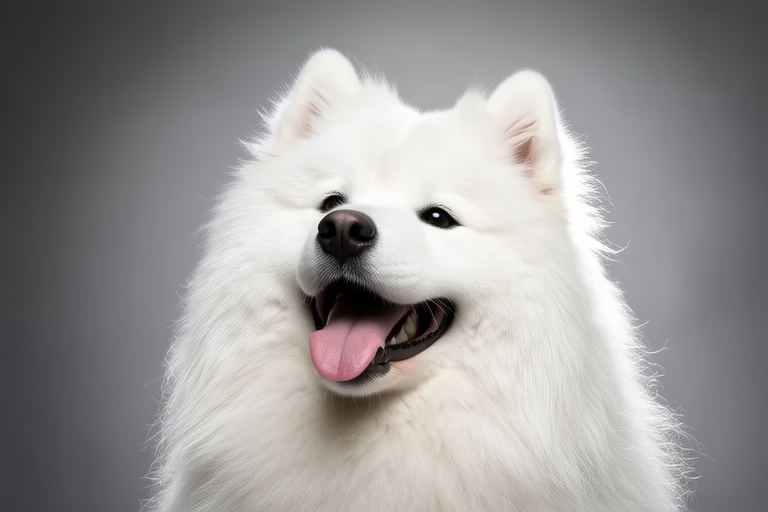
Samoyeds, with their fluffy white coats and strikingly expressive faces, have captured the hearts of dog lovers around the world. Known for their friendly, outgoing nature and their loyalty, these dogs are not just beautiful to look at but also incredibly playful. Their characteristic smile and mischievous demeanor make them perfect subjects for funny videos that go viral on social media platforms. Samoyeds have a history dating back to Siberia, where they were bred by the Samoyedic peoples as herding and sled-pulling dogs. Today, they are popular family pets known for their intelligence and eagerness to please, which often leads to some of the most hilarious moments captured on camera. From their silly facial expressions to their endearing attempts at various activities, Samoyeds bring endless joy and laughter into our lives.
1. The Snowball Expert
This video showcases a Samoyed named Max who has mastered the art of rolling snowballs. What starts off as a simple task turns into a series of comical mishaps as Max struggles to keep his balance while trying to create the perfect snowball. His determination and clumsy attempts at this seemingly easy task will leave you laughing out loud. Max’s enthusiastic yet bumbling efforts highlight the playful nature of Samoyeds, making it one of the funniest Samoyed videos online.
2. The Ball Chaser
In this heartwarming clip, a young Samoyed puppy named Bella is seen chasing after a ball with unmatched energy. Her relentless pursuit of the ball, combined with her adorable puppy antics, creates a scene that is both entertaining and endearing. Bella’s sheer enthusiasm and the way she throws herself into every moment make this video a must-watch for any dog lover. Her determination to catch the ball, even when it rolls out of sight, adds to the humor and showcases the boundless energy of Samoyeds.
3. The Cookie Thief
This video features a Samoyed named Charlie, who has developed a taste for cookies. Charlie’s stealthy approach to stealing cookies from the kitchen counter is both clever and humorous. His careful planning and quick movements to avoid detection make for a thrilling watch. However, his ultimate failure to retrieve the cookie without being caught adds a comedic twist to the story. Charlie’s cunning yet unsuccessful attempt at cookie thievery highlights the mischievous side of Samoyeds, making this video a standout among funny Samoyed clips.
4. The Swimming Champion
A Samoyed named Rocky demonstrates his swimming skills in this video, proving that not all dogs are afraid of water. Rocky’s awkward yet determined strokes as he paddles through the pool are both amusing and inspiring. His initial hesitation turns into full-blown excitement as he discovers the joys of swimming. Rocky’s journey from reluctant swimmer to enthusiastic water enthusiast showcases the adaptability and resilience of Samoyeds, making this video a favorite among pet lovers.
5. The Fashionista
In this quirky video, a Samoyed named Daisy tries on various outfits, showcasing her unique sense of style. Daisy’s attempts to wear different costumes, including a tiny hat and a colorful scarf, are both adorable and laugh-out-loud funny. Her expression as she adjusts to each new outfit is priceless, adding to the humor of the video. Daisy’s playful exploration of fashion highlights the creative and imaginative side of Samoyeds, making this video a delightful watch for anyone looking for a good laugh.
6. The Dance Master
This video captures a Samoyed named Finn dancing to music. Finn’s energetic moves and exaggerated expressions make him the life of the party. His enthusiastic response to the beat of the music is both surprising and delightful. Finn’s dance moves, ranging from a graceful trot to a wild shake, demonstrate the natural rhythm and joy that Samoyeds possess, making this video a standout among funny Samoyed clips.
7. The Treasure Hunter
In this adventurous clip, a Samoyed named Luna goes on a treasure hunt in her backyard. Luna’s methodical search for hidden treasures, such as toys and bones, is both intriguing and hilarious. Her dedication to finding every last item, combined with her playful digging, creates a scene that is both entertaining and heartwarming. Luna’s treasure hunt showcases the curious and resourceful nature of Samoyeds, making this video a favorite among pet enthusiasts.
8. The Gardener
This video features a Samoyed named Oliver, who has taken up gardening as a hobby. Oliver’s attempts to plant flowers and care for a garden are both charming and humorous. His gentle approach to tending the plants, along with his occasional naps in the garden, add to the comedy of the video. Oliver’s involvement in gardening highlights the versatile and nurturing side of Samoyeds, making this video a delightful watch for anyone interested in pet antics.
9. The Movie Star
In this video, a Samoyed named Stella stars in a homemade movie. Stella’s portrayal of a heroic character, complete with dramatic poses and intense expressions, is both entertaining and heartwarming. Her serious demeanor as she takes on the role of a brave hero adds to the humor of the video. Stella’s performance showcases the acting abilities of Samoyeds, making this video a standout among funny Samoyed clips.
10. The Playful Partner
This video captures a Samoyed named Thor playing fetch with his owner. Thor’s playful antics, including his enthusiastic jumps and excited barks, make for a heartwarming and humorous scene. His eagerness to participate in every game and his unyielding loyalty to his owner highlight the loving and devoted nature of Samoyeds. Thor’s playful partnership with his owner showcases the bond between humans and dogs, making this video a favorite among pet lovers.
Conclusion
These top 10 funniest Samoyed videos not only entertain us with their hilarious content but also highlight the unique charm and personality of these wonderful dogs. Whether it’s their playful attempts at various activities or their endearing expressions, Samoyeds bring endless joy and laughter into our lives. These videos resonate with audiences because they capture the essence of what makes Samoyeds so special – their intelligence, loyalty, and unwavering enthusiasm for life. By sharing these moments of pure joy and laughter, we can all appreciate the unique charm of Samoyeds and the happiness they bring to our world.
