Top 10 Fun Facts About Samoyed Dogs You Didn’t Know
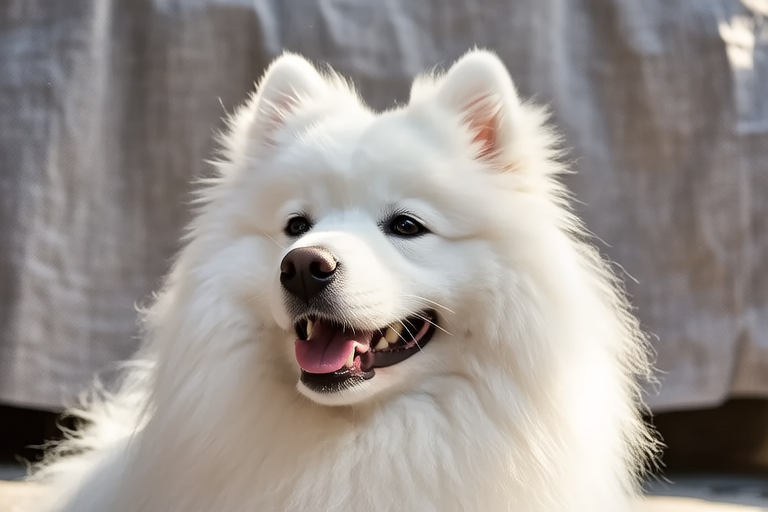
The Samoyed, with its striking white coat and friendly demeanor, is a breed that has captured the hearts of many dog lovers around the world. Originating from Siberia, these dogs have a rich history and unique traits that make them stand out among other breeds. Whether you’re a seasoned dog owner or just curious about this delightful breed, here are ten fun facts about Samoyeds that you probably didn’t know.
1. A Thousand-Year History
The Samoyed breed dates back over a thousand years, with roots tracing to the nomadic Samoyede people of Siberia. These ancient tribes relied on the Samoyed as all-purpose working dogs, utilizing their strength and endurance for herding reindeer, pulling sleds, and providing warmth. The bond between the Samoyede people and their dogs was so profound that they even shared their dwellings, with the dogs curled up next to the fires to keep the family warm during harsh winters. This close relationship helped develop the affectionate and gentle nature of the Samoyed that we see today.
2. Smiling Beauties
One of the most distinctive features of the Samoyed is its characteristic ‘Sammy smile.’ This perpetual grin is not just a result of the breed’s friendly disposition but also due to the structure of their mouths. Samoyeds have an undershot jaw, meaning their lower jaw protrudes slightly beyond the upper jaw, which naturally creates a smile-like expression. This charming feature makes Samoyeds one of the most photogenic dog breeds, often appearing in various media and advertisements.
3. Snowfall Protectors
Samoyeds are known for their thick, double-layered coats that serve multiple purposes. Not only does this coat protect them from the extreme cold of their native Siberian environment, but it also serves as a natural snow guard. Their dense undercoat traps heat, while the longer outer coat repels water and snow. This dual-layer system ensures that the Samoyed remains dry and warm, even after hours spent outside in snowy conditions. Interestingly, this coat can be so effective at repelling snow that it’s said to create a mini snowstorm when they shake themselves off!
4. Versatile Workers
Samoyeds are not just pretty faces; they are highly versatile working dogs. Historically, they were used for herding reindeer, a task that required intelligence, patience, and stamina. In addition to herding, Samoyeds were employed as sled dogs, pulling heavy loads across vast distances. Their ability to work in harsh conditions made them invaluable companions for polar explorers like Roald Amundsen, who famously led the first expedition to reach the South Pole in 1911. Today, Samoyeds still participate in sledding competitions and are sought after for their reliability and endurance.
5. Hypoallergenic Helpers
Despite their fluffy appearance, Samoyeds are considered hypoallergenic, making them a good choice for individuals with allergies. Unlike some other breeds, Samoyeds produce less dander and shed less frequently, thanks to their dense, water-resistant coat. However, it’s important to note that no dog is completely allergen-free, and regular grooming is essential to maintain their coat and minimize shedding. This characteristic, combined with their friendly nature, makes Samoyeds popular choices for families looking for a low-allergen pet.
6. Social Butterflies
Samoyeds are renowned for their sociable and friendly nature. They thrive on human interaction and are often described as the ‘smiling ambassadors’ of the canine world. Their outgoing personality makes them excellent companions, especially for families and individuals seeking a loving and loyal pet. However, this social nature can sometimes lead to issues if left unattended, as they may become overly excited or even mischievous without proper stimulation and training. Early socialization and consistent training are key to ensuring that your Samoyed becomes a well-behaved and happy member of your household.
7. Vocal Communication
Beyond their smiles, Samoyeds are also known for their unique vocalizations. They are not typically barkers, but they do communicate through a variety of sounds, including barking, howling, and a distinct ‘smile’ sound, which is a soft, almost musical noise that they make when they are happy or excited. This vocal repertoire allows Samoyeds to express a wide range of emotions, from joy and excitement to alertness and concern. Understanding these vocal cues can help you better connect with your Samoyed and respond appropriately to their needs.
8. Lifespan and Health
Samoyeds generally have a lifespan of 12 to 15 years, which is considered average for a medium-to-large sized dog. However, like all breeds, they are prone to certain health issues. Common conditions include hip dysplasia, progressive retinal atrophy (PRA), and hypothyroidism. Regular veterinary check-ups, a balanced diet, and plenty of exercise can help mitigate these risks and ensure a healthy life for your Samoyed. Additionally, maintaining their coat through brushing and bathing can prevent skin issues and contribute to their overall well-being.
9. Adaptability to Cold Climates
Beyond their thick coats, Samoyeds possess several physiological adaptations that enable them to thrive in cold climates. Their paw pads are tough and resistant to freezing, allowing them to walk comfortably on ice and snow. Furthermore, their body fat distribution is such that they retain heat efficiently, while their coat helps insulate against the cold. These adaptations, combined with their natural endurance, make Samoyeds ideal for outdoor activities in colder regions. However, it’s important to remember that even though they love the cold, they should never be left outside for extended periods in freezing temperatures.
10. Intelligence and Trainability
Samoyeds are intelligent and quick learners, which makes them relatively easy to train. However, their independent streak can sometimes pose challenges, especially if training sessions lack consistency or positive reinforcement. It’s crucial to approach training with patience and a clear, consistent routine. Reward-based training methods, such as treats and praise, are particularly effective with Samoyeds. Engaging them in mentally stimulating activities, like puzzle toys or obedience classes, can also help channel their intelligence and keep them mentally sharp.
In conclusion, Samoyeds are more than just beautiful dogs with a winning smile; they are a testament to centuries of adaptation and companionship. From their ancient origins to their modern-day roles as beloved pets and working dogs, Samoyeds continue to captivate and charm those lucky enough to share their lives. Whether you’re drawn to their striking appearance, their friendly nature, or their versatility, there’s no denying that owning a Samoyed is a rewarding experience for any dog enthusiast.
