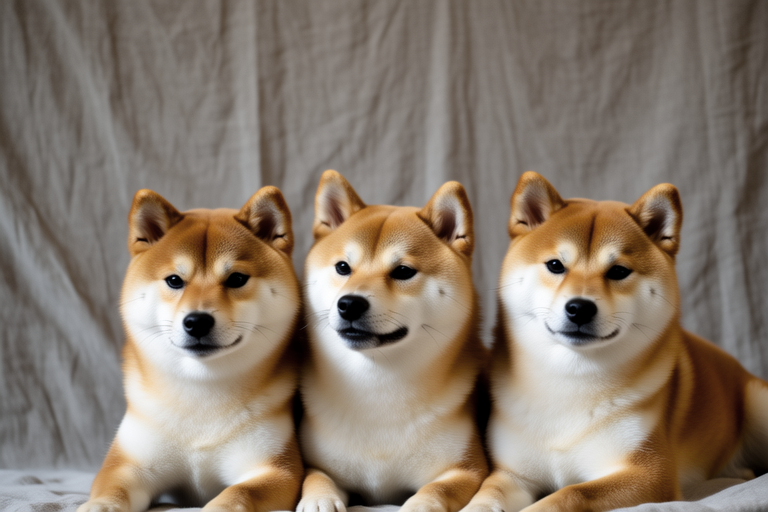
Shiba Inus: A Comprehensive Guide
The Shiba Inu, a small to medium-sized breed originating from Japan, has become a beloved and iconic figure in modern dog culture. Known for their striking red coat and independent nature, these dogs have captured the hearts of many dog enthusiasts worldwide. This guide delves into the history, personality traits, and physical characteristics of Shiba Inus, explores why they are often perceived as annoyed in internet culture, and provides essential care tips, common health issues, and training needs. Additionally, we’ll analyze popular Shiba Inu memes and their impact on the breed’s reputation online.
History of the Shiba Inu
The Shiba Inu is one of the oldest Japanese dog breeds, with a history dating back over 3,000 years. Originally bred for hunting in the mountainous regions of Japan, Shibas were used to flush out small game and birds. The breed almost faced extinction during World War II due to bombing raids and a distemper outbreak. However, thanks to dedicated breeders, the Shiba Inu was saved and has since become one of the most popular dog breeds in Japan. Today, the Shiba Inu enjoys widespread recognition globally, particularly on social media platforms.
Physical Characteristics
Shiba Inus possess a compact, muscular build that makes them well-suited for their original purpose of hunting. They typically weigh between 17 to 23 pounds (7.7 to 10.4 kg) for females and 20 to 25 pounds (9.1 to 11.3 kg) for males. Their double coat is thick and dense, providing excellent insulation against cold weather. The outer coat is straight and harsh, while the undercoat is soft and plush. Common coat colors include red, sesame (red with black-tipped hairs), black and tan, and cream. Their eyes are triangular-shaped and dark brown, giving them an alert and expressive appearance.
Personality Traits
Shiba Inus are known for their independent and sometimes stubborn personalities. They are intelligent and resourceful, which can make training challenging at times. However, their loyalty and affection towards their families make them wonderful companions. Shibas are also known for their cleanliness; they groom themselves like cats and dislike getting dirty. Despite their small size, Shibas are brave and can be protective of their territory and family members.
Why Are Shibas Perceived As Annoyed Online?
In internet culture, Shiba Inus are often depicted as annoyed or grumpy. This perception stems from their facial expressions, which can appear stern or unimpressed due to their small, triangular-shaped eyes. Memes featuring annoyed Shibas have become viral sensations, further reinforcing this image. While Shibas may not always display overtly happy or excited expressions, their demeanor is generally calm and composed rather than annoyed. These memes have contributed to the breed’s popularity and created a unique identity for them in the digital world.
Tips for Caring for a Shiba Inu
Caring for a Shiba Inu requires attention to their specific needs, including grooming, exercise, and diet. Regular brushing is essential to maintain their double coat, especially during shedding seasons. Shibas are active dogs that require daily exercise to stay healthy and happy. Providing mental stimulation through interactive toys and puzzles can help keep them engaged and prevent boredom. A balanced diet rich in protein and essential nutrients is crucial for their overall well-being.
Common Health Issues
Like all dog breeds, Shibas are prone to certain health issues. Some common conditions include hip dysplasia, patellar luxation, progressive retinal atrophy, and cataracts. Regular veterinary check-ups and preventive care can help identify and manage these issues early on. Maintaining a healthy weight and providing proper nutrition are vital for preventing obesity-related complications. Early detection and treatment of any health problems can significantly improve a Shiba Inu’s quality of life.
Training Needs
Training a Shiba Inu can be challenging due to their independent nature. Consistency, patience, and positive reinforcement are key to successful training. Start by establishing clear rules and boundaries from an early age. Use treats and praise to reward good behavior, and avoid punishment-based methods. Shibas thrive on mental stimulation, so incorporating games and activities into their routine can enhance their learning experience. Socialization is also important to ensure your Shiba Inu becomes comfortable around other people and animals.
Popular Shiba Inu Memes and Their Impact
Shiba Inu memes have become a cultural phenomenon, with countless images and videos featuring these dogs in humorous situations. Memes often depict Shibas with exaggerated facial expressions, such as raised eyebrows or pouting lips, which resonate with viewers. These memes have helped popularize the breed and introduced many people to Shiba Inus. However, they may also contribute to misconceptions about the breed’s temperament. It’s important to remember that while memes can be entertaining, they don’t accurately represent the full range of a Shiba Inu’s personality.
Behavior and Comparison with Other Breeds
Shiba Inus exhibit behaviors that set them apart from other dog breeds. Their independence and aloofness can be mistaken for arrogance but are actually part of their natural instincts. Shibas tend to be more reserved with strangers and may take time to warm up to new people. In contrast, many other dog breeds, such as Golden Retrievers or Labrador Retrievers, are known for their friendly and outgoing personalities. Shibas also have a strong prey drive, which means they may chase small animals if given the opportunity. Understanding and managing these behaviors is essential for responsible ownership.
Conclusion
The Shiba Inu is a fascinating breed with a rich history, distinctive physical characteristics, and unique personality traits. While they may be perceived as annoyed in internet culture, their true nature is much more complex and endearing. By understanding their needs and providing proper care, owners can enjoy a rewarding relationship with these delightful dogs. Whether you’re a seasoned dog lover or considering adding a Shiba Inu to your family, this guide offers valuable insights into their care, health, and behavior.
