Betta Bonanza: How to Choose the Perfect Tank Mates for Your Vibrant Friend
Welcome to the fascinating world of Betta fish! Known for their vibrant colors and flowing fins, these captivating creatures have captured the hearts of many aquarists. However, choosing the right tank mates for your Betta can be a daunting task. This guide will walk you through the essential steps to ensure your Betta has harmonious companions, creating a beautiful and thriving aquatic environment.
Understanding Betta Fish Characteristics and Temperament
Betta fish, also known as Siamese fighting fish, are native to Southeast Asia. They are particularly noted for their stunning coloration and long, flowing fins. Male Bettas are especially territorial and may engage in aggressive behavior when confronted with other males or even their own reflection. Their aggression is often mistaken for general hostility towards all fish, which leads to several common misconceptions about Betta compatibility.
One of the most prevalent myths is that Bettas cannot live with any other fish. While it’s true that male Bettas should not be housed with other male Bettas due to their aggressive tendencies, female Bettas can sometimes coexist peacefully in groups known as sororities. Another misconception is that Bettas prefer solitude. In reality, they can thrive in a community tank with the right companions, provided their needs are met.
Common Misconceptions About Betta Compatibility
Many aquarists mistakenly believe that Bettas require isolation. However, this is not always the case. Bettas can live harmoniously with certain fish species that do not trigger their territorial instincts. It’s crucial to understand the nuances of Betta behavior and select tank mates that complement their nature.
Another misconception is that all small fish are suitable tank mates for Bettas. While some smaller fish might seem like ideal companions, their presence can lead to stress and aggression from the Betta. Understanding the specific behaviors and requirements of potential tank mates is key to creating a peaceful aquarium.
Suitable Tank Mates for Betta Fish
Selecting the right tank mates for your Betta involves considering their size, behavior, and care requirements. Below is a detailed list of fish species that can coexist peacefully with Bettas:
Platies and Mollies
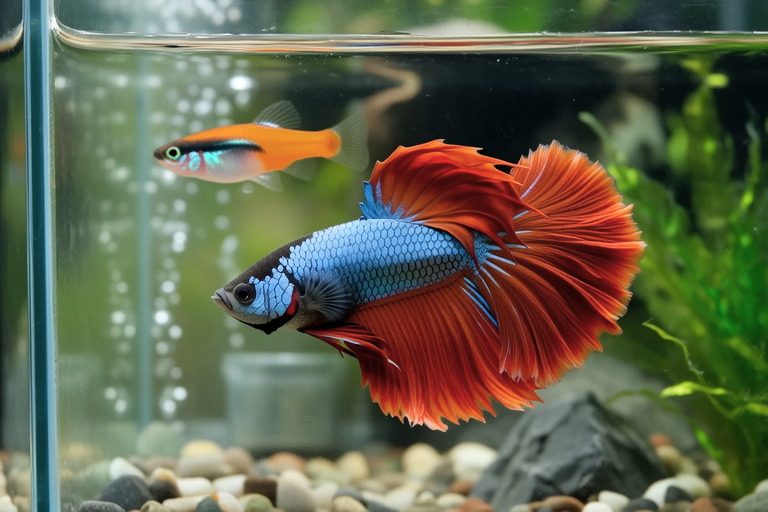
Platies and mollies are hardy, peaceful fish that make excellent companions for Bettas. These fish are active swimmers that stay near the surface, providing a nice contrast to the Betta’s midwater and bottom-dwelling habits. Platies and mollies are omnivorous and require similar water conditions to Bettas, making them a perfect match. Ensure there is plenty of swimming space to prevent territorial disputes.
Guppies
Guppies are another popular choice for Betta tanks. They are small, colorful, and highly active, adding a dynamic element to the aquarium. Guppies are peaceful and tend to stay in the upper regions of the tank, reducing the likelihood of conflicts with the Betta. However, it’s important to note that Bettas might view guppies as potential food, especially if they are particularly aggressive. Monitor their interactions closely to ensure safety.
Corydoras Catfish
Corydoras catfish are bottom-dwelling scavengers that help keep the tank clean. They are peaceful and non-aggressive, making them ideal tank mates for Bettas. Corydoras are relatively small and do not pose a threat to the Betta’s territory. Ensure the tank has plenty of hiding spots and caves for the catfish to feel secure.
Bristlenose Plecos
Bristlenose plecos are algae-eating fish that help maintain the tank’s cleanliness. They are generally peaceful and nocturnal, meaning they are less likely to interact with the more active Betta during the day. Bristlenose plecos are smaller than common plecos and are better suited for Betta tanks. They require well-planted areas and hiding spots to thrive.
Ghost ShrimpGhost shrimp are small, transparent shrimp that can coexist peacefully with Bettas. They are scavengers that help control algae growth and provide additional interest in the tank. Ghost shrimp are delicate and can become prey if the Betta is overly aggressive. Ensure the tank is well-planted and has plenty of hiding spaces for the shrimp.
Tips for Setting Up the Aquarium Environment
Creating a harmonious environment for your Betta and its tank mates requires careful planning and attention to detail. Here are some essential tips to ensure a stress-free habitat:
- Proper Tank Size: A minimum tank size of 10 gallons is recommended for a Betta with one or two compatible tank mates. Larger tanks provide more swimming space and reduce the chances of territorial disputes.
- Water Parameters: Maintain stable water parameters with a pH level between 6.8 and 7.8, and a temperature range of 74 to 80 degrees Fahrenheit. Regular water changes and filtration are crucial for maintaining water quality.
- Plants and Hiding Spots: Incorporate live plants and decorations to create hiding spots and territorial boundaries. Java moss, anubias, and java fern are excellent choices for Betta tanks. These plants not only enhance the aesthetic appeal but also provide shelter for the fish.
- Feeding Schedule: Feed your Betta and its tank mates twice daily, offering appropriate amounts to avoid overfeeding. Overfeeding can lead to poor water quality and health issues for the fish.
Monitoring Tank Dynamics and Making Adjustments
Once your Betta and its tank mates are settled, it’s essential to monitor their interactions regularly. Pay close attention to signs of aggression, such as fin nipping or chasing. If you notice persistent conflicts, consider rearranging the tank layout or removing problematic fish.
Regular maintenance is crucial for maintaining a healthy environment. Perform weekly water changes and monitor water parameters to ensure optimal conditions. Additionally, observe the fish’s behavior and appearance for any signs of stress or illness. Early detection allows for prompt intervention and treatment.
Remember, the goal is to create a stress-free habitat where your Betta can thrive alongside its companions. By carefully selecting tank mates and maintaining a balanced environment, you can enjoy a vibrant and harmonious aquarium.
Conclusion
Choosing the perfect tank mates for your Betta is a rewarding endeavor that enhances the beauty and tranquility of your aquarium. By understanding Betta characteristics and addressing common misconceptions, you can select compatible species that complement their nature. With proper planning and care, your Betta and its tank mates can coexist peacefully, creating a visually stunning and serene aquatic environment. Whether you’re a novice aquarist or an experienced enthusiast, following these guidelines will help you achieve a thriving and harmonious Betta Bonanza.
