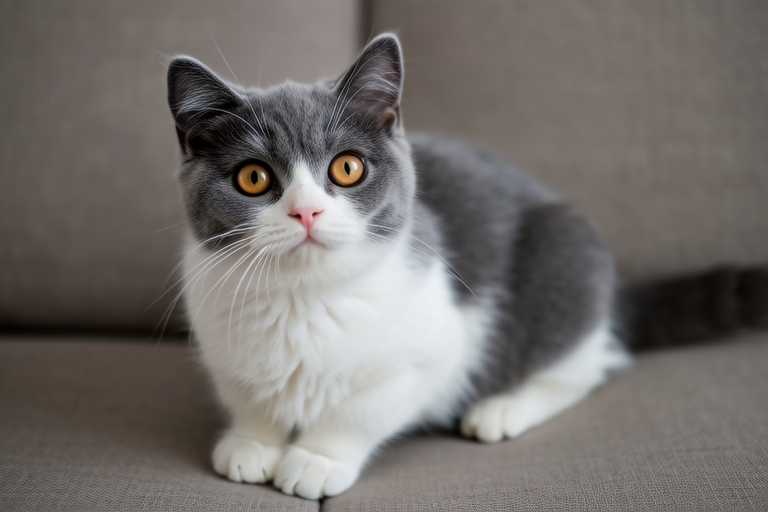
The Curious Case of the Munchkin: Why Short-Legged Cats Are a Trend
When it comes to feline charm, few breeds capture the imagination quite like the Munchkin. These endearing creatures are best known for their distinctively short legs, a trait that sets them apart from other cat breeds. The Munchkin’s unique appearance has sparked curiosity and debate among cat enthusiasts and scientists alike. In this article, we’ll explore the origins of the Munchkin’s short legs, delve into the genetic underpinnings of their distinctive form, and examine the breed’s journey to recognition. We will also address common misconceptions, highlight their temperament, and share stories from devoted owners. Finally, we’ll discuss why Munchkins have become such a trendy choice for pet lovers.
A Genetic Twist: The Origin of the Munchkin’s Short Legs
The Munchkin cat’s most notable feature is its unusually short legs, a result of a naturally occurring genetic mutation. This mutation affects the gene responsible for normal limb development, leading to a condition known as hypochondroplasia. Hypochondroplasia causes the long bones in the legs to grow shorter than usual, resulting in the Munchkin’s signature stubby legs. Interestingly, this mutation is similar to what causes dwarfism in humans.
The discovery of the Munchkin dates back to the early 1980s when Sandra Hochenedel found two pregnant cats under a pickup truck in Louisiana. One of these kittens, a female named Blackberry, had noticeably shorter legs than her littermates. Blackberry was later bred with a domestic shorthair, producing a litter of kittens that included both long-legged and short-legged offspring. This confirmed that the short leg trait was indeed inherited and could be selectively bred for.
Genetic Basis and Health Concerns
The genetic mutation responsible for the Munchkin’s short legs is autosomal dominant, meaning that only one copy of the gene is necessary for the trait to be expressed. However, this same gene can also lead to health issues. Critics argue that selective breeding of Munchkins may exacerbate existing genetic problems, particularly those related to joint and spinal health.
Some studies suggest that Munchkins may be more prone to certain conditions, such as lordosis (a curvature of the spine) and pectus excavatum (a chest deformity). These concerns have led to debates within the feline community regarding the ethical implications of breeding Munchkins. Nonetheless, responsible breeders strive to maintain the health and well-being of their cats by carefully selecting breeding pairs and monitoring for signs of genetic disorders.
History and Recognition of the Munchkin Breed
The Munchkin gained official recognition in the United States in 1994 when TICA (The International Cat Association) approved it as a championship breed. Since then, the Munchkin has been recognized by several other registries, including the American Cat Fanciers Association (ACFA) and the Cat Fanciers’ Association (CFA). However, the CFA still does not recognize the Munchkin, citing ongoing concerns about its health.
The breed’s history is marked by controversy. Initially, some registries refused to acknowledge the Munchkin due to concerns about its genetic health. Over time, however, many have come to accept the breed, provided that breeders adhere to strict guidelines designed to minimize the risk of genetic disorders.
Myths and Facts About Munchkin Cats
Much of the fascination surrounding Munchkin cats stems from popular myths and misconceptions. One common myth is that Munchkins are less agile than other cats. While it’s true that their shorter legs may affect their jumping ability, Munchkins are still remarkably adept at climbing and navigating their environment. Their playful nature and strong hind legs allow them to leap impressive heights relative to their size.
Another misconception is that Munchkins are less intelligent than other breeds. This couldn’t be further from the truth. Munchkins are highly intelligent and curious, often displaying problem-solving skills and a keen interest in their surroundings. They are known for their playful antics and can be quite mischievous, much like other cat breeds.
Temperament and Suitability as Pets
Munchkins are generally known for their friendly and affectionate demeanor. They are sociable animals that enjoy interacting with their human companions. Many Munchkin owners describe their cats as being exceptionally loving and devoted, often seeking out attention and affection. Their gentle nature makes them ideal companions for families with children or other pets.
One owner, Sarah Johnson, shared her experience with her Munchkin, Whiskers. “Whiskers is the life of the party,” she said. “He loves to play fetch and is always up for a cuddle. Despite his shorter legs, he’s surprisingly active and enjoys exploring every corner of our home. He’s a wonderful addition to our family.”
The Rise of the Munchkin Trend
The popularity of Munchkin cats has grown significantly in recent years, driven in part by social media and the internet. Videos and images of these adorable cats have gone viral, capturing the hearts of millions of cat lovers worldwide. Social media platforms have played a crucial role in promoting the breed, showcasing their unique appearance and charming personalities.
In addition to social media, public fascination with unique and rare breeds has contributed to the rise of the Munchkin trend. As more people become interested in niche breeds, the Munchkin’s distinctiveness has made it a sought-after choice for cat lovers looking for something special.
Conclusion
The Munchkin cat’s unique appearance, combined with its friendly and playful temperament, has made it a favorite among cat enthusiasts. While there are valid concerns about the health risks associated with selective breeding, responsible breeders are working to ensure the well-being of their cats. The breed’s growing popularity is a testament to its appeal, and as more people discover the joys of living with a Munchkin, it’s likely that this trend will continue to grow.
Whether you’re a seasoned cat lover or considering adopting your first feline companion, the Munchkin offers a delightful and engaging option. With their short legs, big personalities, and boundless energy, these curious creatures are sure to bring joy and laughter to any household.
