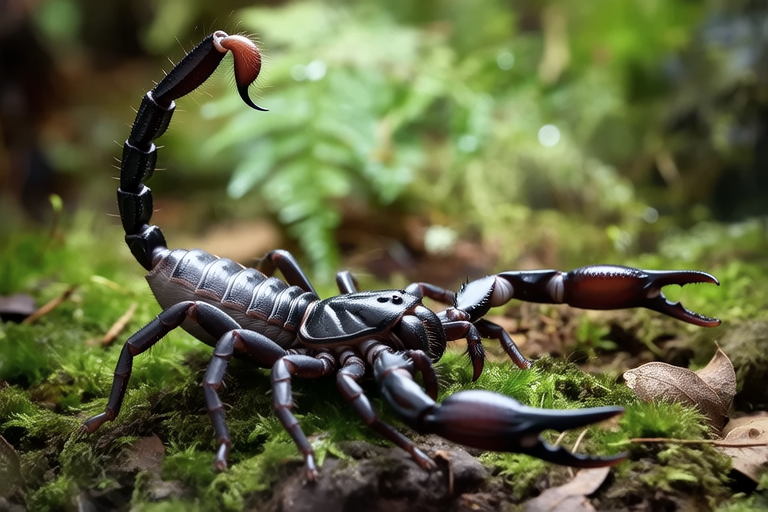
Unveiling the Secrets of Heterometrus Spinifer: The Majestic Jungle Spider
The tropical rainforests of Southeast Asia are home to a plethora of fascinating creatures, each playing a crucial role in maintaining the delicate balance of the ecosystem. Among these, one of the most intriguing is the Heterometrus spinifer, a species of tarantula known for its unique characteristics and impressive presence. This article delves into the world of the Heterometrus spinifer, exploring its habitat, physical attributes, behavior, and the significance of its conservation.
Habitat and Role in the Ecosystem
The Heterometrus spinifer, commonly known as the Malaysian Red Earth Tiger, is primarily found in the lush jungles of Malaysia, Thailand, and parts of Indonesia. These spiders thrive in humid environments with dense vegetation, making the undergrowth of tropical rainforests their ideal habitat. Their burrows are often located near water sources, such as streams or rivers, which provide both shelter and prey. The Heterometrus spinifer plays a vital role in the jungle ecosystem as both predator and prey. As predators, they control populations of insects and other small animals, preventing overpopulation that could disrupt the balance of the ecosystem. Additionally, they serve as food for larger predators, contributing to the food chain’s integrity.
Physical Attributes
The Heterometrus spinifer is easily recognizable due to its distinctive appearance. Adult females can grow up to 12 centimeters in leg span, while males are slightly smaller. They have a robust body covered in fine, dark brown hairs, which help them blend into their surroundings. The most striking feature of this species is its vibrant red chelicerae (jaws), giving it the name ‘Red Earth Tiger.’ Their legs are equipped with spines, particularly on the tibia and metatarsus segments, which aid in capturing and subduing prey. These spines are also believed to play a role in defense against potential predators.
Behavior and Hunting Techniques
Heterometrus spinifer is a nocturnal creature, emerging from its burrow at dusk to hunt. It uses its keen sense of vibration to detect the movements of potential prey, which includes insects, small vertebrates, and even other arachnids. Once a target is identified, the spider will pounce, using its powerful fangs to inject venom into the victim. The venom contains neurotoxins that paralyze the prey, making it easier to consume. Unlike many spiders that spin webs to trap their victims, the Heterometrus spinifer relies on ambush tactics and speed to catch its food.
In addition to their predatory skills, these spiders are also known for their impressive agility. They can climb trees and navigate through dense foliage with remarkable ease, further expanding their hunting grounds. Their ability to move swiftly and silently through the jungle makes them formidable hunters in their environment.
Myths and Misconceptions
Despite their impressive size and appearance, Heterometrus spinifer spiders are generally harmless to humans. Many people fear spiders due to their size and perceived aggression, but this tarantula is relatively docile and only attacks when threatened. In reality, their venom is mild and causes localized pain and swelling similar to a bee sting. There have been no reported cases of human fatalities resulting from Heterometrus spinifer bites.
Another common misconception is that these spiders are aggressive towards humans. While they may defend themselves if provoked, they are not typically aggressive unless cornered. Their primary focus is on hunting and surviving in their natural habitat. Understanding these facts helps dispel the myths surrounding this species and encourages a more informed approach to interacting with wildlife.
Conservation Efforts and Threats
Like many species in Southeast Asia, the Heterometrus spinifer faces numerous threats to its survival. Habitat destruction due to deforestation and urbanization is one of the most significant challenges. Logging operations, agricultural expansion, and infrastructure development have led to the loss of vast areas of rainforest, reducing the available space for these spiders to live and hunt. Climate change also poses a threat, as rising temperatures and altered weather patterns can disrupt the delicate balance of the ecosystem, affecting the availability of prey and suitable living conditions.
To address these issues, various conservation efforts are underway. Organizations and governments are working together to establish protected areas and wildlife reserves where the Heterometrus spinifer can thrive without interference. Public awareness campaigns aim to educate local communities and tourists about the importance of preserving these ecosystems and the creatures that inhabit them. Additionally, research initiatives are being conducted to better understand the biology and behavior of the Heterometrus spinifer, providing valuable insights that can inform conservation strategies.
The Importance of Studying and Preserving the Heterometrus Spinifer
The study of the Heterometrus spinifer offers valuable insights into the broader field of arachnology and ecology. By understanding the role of this species within its ecosystem, scientists can develop more effective conservation strategies and promote sustainable practices that benefit both wildlife and human communities. Moreover, the venom of the Heterometrus spinifer has shown promise in medical research, particularly in the development of new treatments for neurological disorders. The potential applications of this venom highlight the importance of preserving biodiversity and protecting endangered species.
For future generations, the preservation of the Heterometrus spinifer is essential for maintaining the health and resilience of tropical rainforests. These ecosystems are not only vital for the survival of countless species but also play a crucial role in regulating global climate patterns. By safeguarding the habitats of creatures like the Heterometrus spinifer, we can help ensure the continued existence of these irreplaceable environments for years to come.
