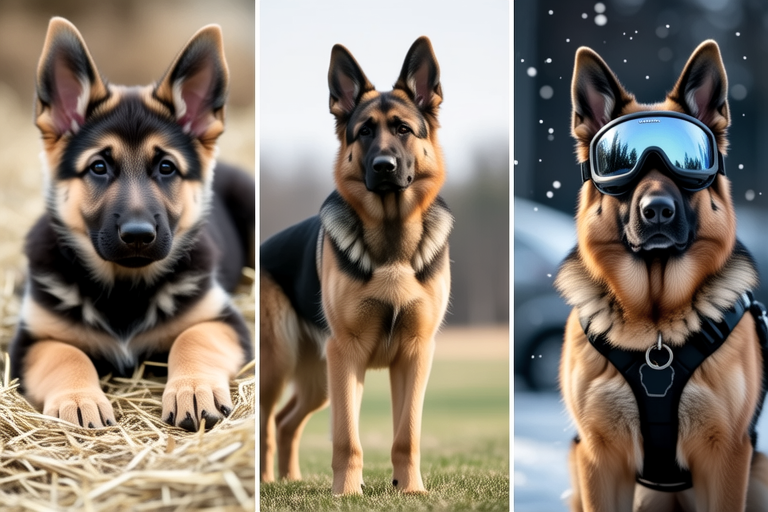
From Puppies to Protectors: The Journey of a German Shepherd
German Shepherds have long been revered for their intelligence, loyalty, and versatility. From their playful puppyhood to their role as steadfast protectors, these dogs undergo a remarkable journey that captivates dog lovers and potential owners alike. This article delves into the stages of a German Shepherd’s life, exploring their early temperament, development through training and socialization, and their diverse roles in society. We will also discuss the care and health considerations necessary for these magnificent animals, culminating in a reflection on the profound bond between German Shepherds and humans.
The Early Life of a German Shepherd Puppy
German Shepherds begin their lives as bundles of energy and curiosity. Born in litters ranging from four to ten puppies, they are typically blind and deaf until around two weeks of age. At this stage, they rely heavily on their mother for warmth and nourishment. As they grow, their eyes open, and they start to explore their surroundings, learning about their world through touch and smell.
Their early temperament is marked by a natural inclination towards playfulness and social interaction. German Shepherd puppies are eager to engage with their littermates, fostering important skills like communication and cooperation. They are generally friendly and affectionate, seeking attention from their human handlers and other family members. However, it is crucial to note that each puppy has its unique personality, and careful observation during this period can help identify any potential behavioral traits that may require special attention during their upbringing.
Development Through Training and Socialization
As German Shepherd puppies transition into adolescence, their focus shifts toward training and socialization. Proper training is essential to channel their boundless energy into positive behaviors, ensuring they grow into well-behaved adult dogs. Basic obedience training begins at around eight weeks, teaching commands such as ‘sit,’ ‘stay,’ ‘come,’ and ‘heel.’ Consistent reinforcement through positive methods, including treats and praise, is key to establishing a strong bond and effective communication between the dog and handler.
Socialization plays a pivotal role in shaping the temperament of a German Shepherd. Exposing them to various environments, people, and other animals helps them become confident and adaptable. Early socialization experiences, particularly between three and sixteen weeks of age, are especially critical. During this phase, puppies learn appropriate responses to different stimuli, reducing the likelihood of fear or aggression later in life.
A significant milestone in a German Shepherd’s development is the completion of basic training. By six months of age, most puppies have mastered fundamental commands and can participate in more advanced training. This includes agility exercises, scent work, and protective training, depending on the intended role of the dog. These activities not only enhance their physical fitness but also stimulate their minds, keeping them engaged and mentally sharp.
Variety of Roles: From Family Companion to Working Dog
German Shepherds are renowned for their versatility, excelling in numerous roles across various fields. Many owners choose them as family companions due to their protective nature and deep bond with their human families. Their loyalty and vigilance make them excellent watchdogs, providing peace of mind to their owners. Additionally, their affectionate and gentle demeanor makes them wonderful companions for children, fostering a nurturing and supportive environment.
Beyond the realm of family life, German Shepherds are indispensable in law enforcement and military operations. Their intelligence, strength, and trainability make them ideal candidates for police work, where they assist officers in apprehending suspects, detecting drugs, and locating missing persons. In military settings, they serve as patrol dogs, explosive detection dogs, and search and rescue dogs, demonstrating their unwavering dedication and bravery under pressure.
Search and rescue missions are another area where German Shepherds excel. Their keen sense of smell and endurance enable them to locate survivors in disaster-stricken areas, whether it be after earthquakes, avalanches, or other catastrophic events. Their ability to work in challenging environments, coupled with their determination, makes them invaluable assets in these high-stakes situations.
Care and Health Considerations Throughout Their Lives
Maintaining the health and well-being of a German Shepherd requires diligent care and attention throughout their lifespan. Regular veterinary check-ups are essential to monitor their overall health and address any emerging issues promptly. Vaccinations, parasite control, and dental care are integral components of their healthcare routine.
Proper nutrition is crucial for sustaining their energy levels and promoting healthy growth. A balanced diet rich in proteins, vitamins, and minerals supports their robust physique and active lifestyle. Feeding guidelines provided by veterinarians should be followed to prevent overfeeding and obesity, which can lead to joint problems and other health issues.
Exercise is equally important for German Shepherds, given their high energy levels. Daily walks, runs, and interactive play sessions help keep them physically fit and mentally stimulated. Engaging in activities that challenge their intellect, such as puzzle toys and training games, further enriches their lives and strengthens the bond with their handlers.
The Bond Between German Shepherds and Humans
The journey of a German Shepherd from a playful pup to a reliable protector is a testament to the enduring bond between dogs and humans. This connection is built on mutual trust, respect, and affection, evolving over time as the dog grows and learns. From the early days of puppyhood, when they form attachments to their handlers, to the later stages of adulthood, where they demonstrate unwavering loyalty and protection, German Shepherds exemplify the essence of partnership.
The transformation from a curious and energetic puppy to a capable and dependable protector is a remarkable process. It underscores the importance of proper training, socialization, and care in shaping the character and abilities of these magnificent dogs. As they grow, German Shepherds not only become cherished members of their families but also valuable contributors to society, embodying the spirit of service and devotion.
