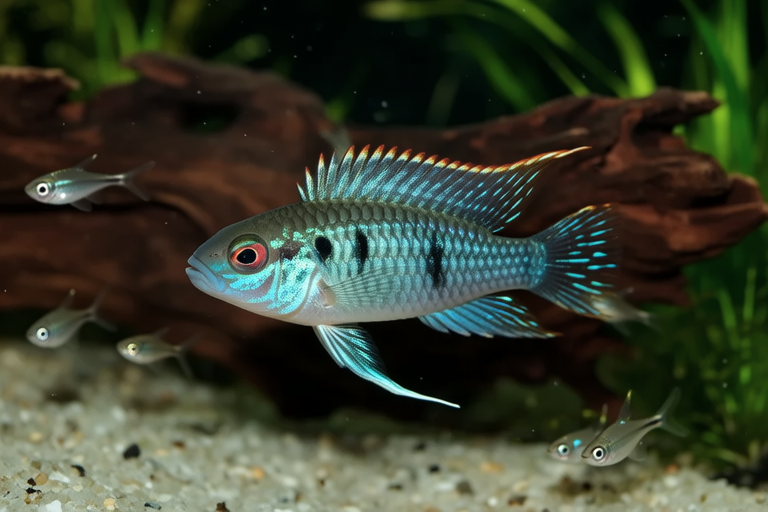
A Royal Addition: Why Every Aquarist Should Consider Rajah Cichlids
In the vast world of freshwater aquarium fish, the Rajah cichlid stands out as a regal addition to any tank. Known for their striking appearance, vibrant colors, and intriguing behaviors, these fish have captivated aquarists for years. This article will explore why Rajah cichlids are a must-have for any aquarist, detailing their unique characteristics, care requirements, and compatibility with other species. We’ll also discuss their dietary needs, behavioral traits, and how they enhance the aesthetic appeal of your tank. Additionally, we’ll provide tips for beginners and highlight potential challenges, along with success stories from experienced aquarists.
The Majestic Appearance of Rajah Cichlids
Rajah cichlids, scientifically known as Paratilapia rostrata, are native to the waters of Lake Tanganyika in East Africa. These fish are easily recognizable by their elongated bodies, which can grow up to 12 inches in length. Their most striking feature is their coloration, which ranges from deep reds and oranges to iridescent blues and greens. The males, in particular, display a more vivid color palette compared to the females, making them a focal point in any aquarium setup.
Their unique physical attributes don’t stop at color. Rajah cichlids possess a long snout-like mouth, giving them their distinct appearance and aiding in their feeding habits. This characteristic makes them efficient hunters in their natural habitat, and it adds to their allure in the aquarium setting.
Care Requirements for Rajah Cichlids
Maintaining a healthy environment for Rajah cichlids requires attention to several key factors, including water parameters, tank size, and filtration. These fish thrive in hard, alkaline water with a pH range of 7.8 to 9.0 and a temperature between 76°F and 82°F (24°C to 28°C). Regular water changes are essential to keep the water quality high and prevent the buildup of harmful toxins.
As territorial fish, Rajah cichlids require ample space to establish their territories within the tank. A minimum tank size of 75 gallons is recommended for a single pair, but larger tanks are ideal for groups or multiple pairs. Proper filtration is crucial to maintain water quality and reduce stress on the fish. A high-quality external filter capable of handling the tank volume effectively is necessary.
Dietary Needs and Feeding Habits
Rajah cichlids are omnivorous, meaning they consume both plant matter and small animals. In the wild, they feed on algae, crustaceans, and smaller fish. To replicate this diet in captivity, a balanced feeding regimen that includes high-quality cichlid pellets, frozen or live foods such as brine shrimp, and occasional vegetables like zucchini or spinach is recommended. Feeding should be done two to three times daily, ensuring that food is consumed within a few minutes to avoid waste and maintain water quality.
Behavior and Compatibility
Rajah cichlids are known for their active and sometimes aggressive behavior. They are highly territorial and can become quite defensive when protecting their space. This behavior is particularly pronounced during breeding periods, where males may engage in elaborate displays to attract females. Despite their aggression, Rajah cichlids can coexist peacefully with other robust, similarly sized fish species. It’s important to select tank mates carefully to ensure a harmonious environment.
Compatibility is another critical aspect to consider when adding Rajah cichlids to your aquarium. While they can live with other cichlids, it’s advisable to introduce them gradually and monitor their interactions closely. Fish with similar temperaments and sizes, such as other Lake Tanganyikan species, often make good companions. Avoid overly passive or delicate species that could become targets of aggression.
Aesthetic Appeal and Tank Setup
Rajah cichlids not only add visual interest to your aquarium but also contribute to its overall aesthetic appeal. Their vibrant colors and dynamic movements create a captivating centerpiece for any tank. When setting up the tank, it’s essential to mimic their natural habitat as closely as possible. Provide plenty of hiding spots, caves, and rock formations to create a sense of security for the fish. Live plants can also enhance the environment, providing additional cover and contributing to the overall beauty of the tank.
Tips for Beginners
For those new to the hobby, starting with Rajah cichlids can be a rewarding experience if approached with careful planning and research. Here are some tips to help beginners maintain a healthy environment for these fish:
- Research thoroughly: Before purchasing Rajah cichlids, familiarize yourself with their specific care requirements and behaviors.
- Set up the tank properly: Ensure the tank is fully cycled and stable before introducing the fish. This helps minimize stress and promotes better health.
- Monitor water conditions: Regularly test the water parameters and perform partial water changes to maintain optimal conditions.
- Provide a varied diet: Offer a diverse selection of foods to meet their nutritional needs.
Potential Challenges and Success Stories
While Rajah cichlids can be rewarding pets, they do come with certain challenges. Aggression and territorial disputes are common issues that require careful management. Experienced aquarists recommend creating buffer zones within the tank to reduce conflicts and provide ample hiding spots for less dominant individuals.
Despite these challenges, many aquarists have found great success with Rajah cichlids. One notable success story comes from John, who has kept Rajah cichlids for over a decade. He shares, “The key to successfully keeping Rajah cichlids is understanding their needs and providing a well-planned environment. With patience and dedication, you can enjoy these magnificent fish for years to come.”
Conclusion
Rajah cichlids are undeniably a royal addition to any aquarium. Their striking appearance, unique behaviors, and adaptability make them a favorite among aquarists. By understanding their care requirements, dietary needs, and compatibility with other species, you can ensure a thriving environment for these majestic fish. Whether you’re a beginner or an experienced aquarist, Rajah cichlids offer a rewarding and visually stunning experience that will enhance your aquarium setup.
