The Exotic Secret Unveiled: Caring for Your Bengal Cat
Welcome to the fascinating world of Bengal cats, a breed that captivates hearts and minds with its striking resemblance to its wild ancestors. These majestic creatures, known for their sleek, spotted coats and energetic personalities, have become increasingly popular among cat enthusiasts worldwide. In this article, we will explore the unique characteristics of Bengal cats, delve into their history, and provide comprehensive care tips to ensure your Bengal cat thrives.
Unique Characteristics of Bengal Cats
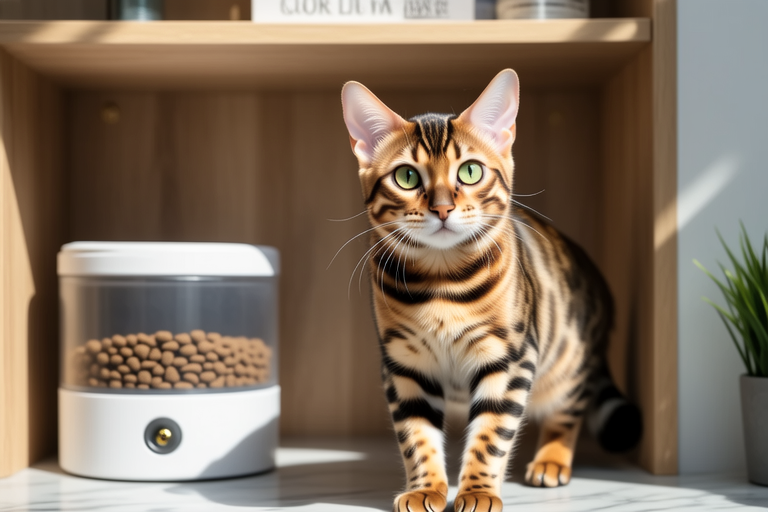
Bengal cats are often mistaken for small leopards due to their distinctive coat patterns and vibrant, wild appearance. Their coat, which can be either spotted or marbled, resembles the fur of leopards and jaguars, making them stand out from other domesticated breeds. Despite their exotic looks, Bengal cats are incredibly friendly and affectionate, forming strong bonds with their human companions. They are intelligent, curious, and playful, traits that make them delightful pets.
The Origins and History of Bengal Cats
The Bengal cat’s history is as intriguing as its appearance. The breed was developed in the 1960s through selective breeding between domestic cats and Asian leopard cats, aiming to create a domestic cat with the beauty and grace of its wild counterparts. This crossbreeding resulted in a cat that retained the wild look but with the temperament of a loving house pet. The name ‘Bengal’ is derived from the scientific name of the Asian leopard cat, Prionailurus bengalensis. These cats are considered exotic not only for their appearance but also for their rarity and the effort required to breed them.
Dietary Needs: A Balanced Diet for Optimal Health
Maintaining a balanced diet is crucial for the health and longevity of your Bengal cat. Bengal cats are obligate carnivores, meaning their diet should primarily consist of animal-based proteins. High-quality commercial cat foods, such as those formulated for indoor or active cats, are excellent choices. Look for products that list meat or fish as the primary ingredient and avoid those with excessive fillers like corn or wheat. Additionally, consider incorporating raw or cooked meats into their diet to ensure they receive all necessary nutrients.
Water intake is equally important. Bengals require fresh water daily, so keep their water bowl clean and full. Some Bengal cats prefer running water, so investing in a pet fountain might encourage more frequent drinking.
Grooming Requirements: Maintaining Their Luxurious Coats
Bengal cats have a luxurious, short coat that requires minimal grooming. However, regular brushing helps to remove loose hair and distribute natural oils throughout the coat, keeping it shiny and healthy. Use a soft-bristled brush or a grooming mitt to gently brush your cat several times a week. During shedding seasons, you may need to increase the frequency to prevent hairballs.
While bathing is generally unnecessary, some Bengal cats enjoy water and may tolerate baths occasionally. If you decide to bathe your cat, use a mild, cat-specific shampoo and thoroughly rinse to avoid skin irritation. After bathing, dry your cat completely to prevent chills.
Common Health Issues and Preventive Measures
Like any breed, Bengal cats are prone to certain health issues. Hypertrophic cardiomyopathy (HCM), a heart condition, is one of the most significant concerns. Regular veterinary check-ups, including heart screenings, are essential for early detection and management. Other common issues include patellar luxation, a condition where the kneecap dislocates, and dental problems.
To prevent these health issues, maintain a healthy weight through proper diet and exercise. Regular veterinary visits, vaccinations, and parasite control are also vital. Early intervention can significantly improve outcomes and quality of life.
Creating an Enriching Environment
Bengal cats are highly active and intelligent, requiring stimulation to thrive. Provide plenty of toys, scratching posts, and climbing structures to satisfy their playful nature. Interactive toys that mimic prey, such as feather wands or laser pointers, are particularly engaging. Consider setting up a cat tree with various levels and platforms for climbing and resting.
Environmental enrichment extends beyond physical play. Bengal cats enjoy exploring new environments and engaging in mental challenges. Puzzle feeders, treat-dispensing toys, and even simple cardboard boxes can provide hours of entertainment and mental stimulation.
The Rewarding Aspects of Owning a Bengal Cat
Owning a Bengal cat is a rewarding experience filled with joy and companionship. Their playful antics, loyalty, and affection make them cherished members of many households. However, it is essential to approach pet ownership responsibly. Understand the commitment involved, including financial, emotional, and time investments. Research reputable breeders and adopt from shelters when possible to support ethical practices.
With the right care and attention, Bengal cats can live long, healthy lives, bringing happiness and laughter to their families. Embrace the journey of caring for your Bengal cat, and enjoy the unique bond you share with this magnificent breed.
