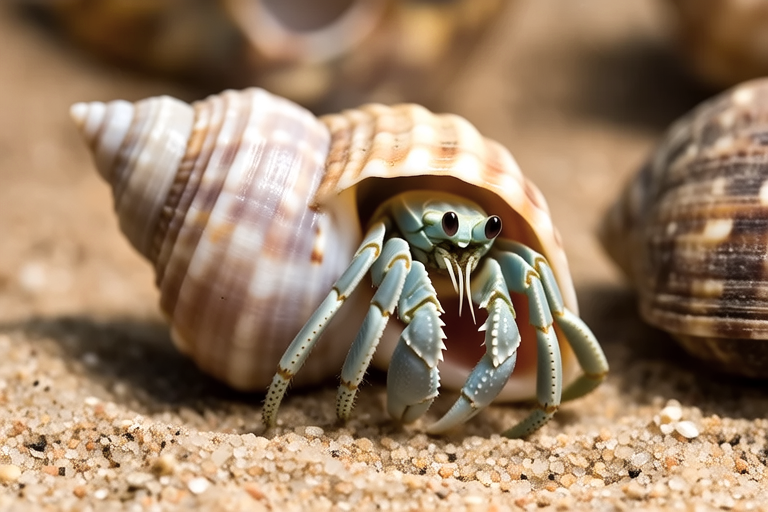
Unraveling the Mysteries of Hermit Crab Shell Changes
Hermit crabs are fascinating creatures that have captured the imagination of many due to their unique lifestyle. Unlike most other crustaceans, hermit crabs do not possess a hard exoskeleton to protect their soft abdomens. Instead, they rely on discarded mollusk shells for shelter, a practice that has been perfected over millions of years of evolution. This dependency on second-hand homes makes their shell-changing behavior both intriguing and crucial to their survival. Understanding the intricacies of this process can offer valuable insights into the lives of these remarkable creatures.
The Natural Process of Shell Changes
The act of changing shells is a vital part of a hermit crab’s life cycle. As hermit crabs grow, their borrowed shells become too small, necessitating a move to a larger one. This change is not just about size; it also involves the crab’s ability to adapt to its new home. The frequency of these changes varies depending on the species and environmental conditions. Generally, hermit crabs will change shells when they outgrow their current one or if they find a more suitable option. This process is not only about physical growth but also about finding the best possible protection against predators and environmental stressors.
When a hermit crab decides it’s time for a change, it carefully inspects potential new shells. This inspection includes checking the shell’s size, shape, and condition. The crab will often try on several shells before making a final decision, ensuring that the new home provides adequate space and protection. Once the perfect shell is found, the crab moves quickly from its old home to its new one, minimizing exposure to potential threats.
Challenges Faced During Shell Changes
Finding a new shell is not always an easy task for hermit crabs. Competition among hermit crabs for available shells can be fierce, especially in densely populated areas. Larger crabs may dominate smaller ones, leading to a hierarchy where size often dictates who gets first pick of the best shells. Environmental factors also play a significant role. Pollution, habitat destruction, and climate change can reduce the availability of suitable shells, forcing hermit crabs to settle for less ideal options.
In addition to competition and environmental degradation, hermit crabs must also contend with the challenge of timing. If a crab attempts to change shells at the wrong moment, it risks becoming vulnerable to predators. This delicate balance underscores the complexity of their behavior and the importance of having a variety of options readily available.
Scientific Insights into Shell Selection Criteria
Research has provided fascinating insights into how hermit crabs select their new homes. Studies have shown that hermit crabs are particularly attuned to the acoustics of a shell. They can determine whether a shell is hollow or filled with sediment by tapping on it and listening to the sound it produces. This auditory assessment helps them gauge the shell’s structural integrity and potential suitability.
Furthermore, hermit crabs also consider the shell’s weight and the ease with which they can carry it. Lighter shells are generally preferred because they require less energy to transport, allowing the crab to allocate more resources to growth and reproduction. The color and texture of the shell are also important factors. Crabs tend to favor shells that blend well with their surroundings, offering better camouflage from predators.
Tips for Hermit Crab Owners
For those who keep hermit crabs as pets, understanding the shell-changing process is crucial for maintaining the health and happiness of these animals. Providing a variety of shells of different sizes and shapes is essential. This diversity ensures that your pet has multiple options during its growth stages. It’s also important to regularly clean and sterilize the shells to prevent the spread of diseases.
Creating a suitable environment is equally important. A spacious tank with plenty of hiding spots and a substrate that allows for digging and burrowing can provide a more natural setting for your hermit crabs. Regularly monitoring the water quality and temperature is also vital, as hermit crabs are sensitive to changes in their environment. By mimicking their natural habitat as closely as possible, you can ensure that your hermit crabs thrive and continue to exhibit their fascinating behaviors.
Encouraging shell exploration and changes in a controlled setting can also help hermit crabs develop a sense of security and confidence. Observing this process can be an enriching experience for both the owner and the crab. It highlights the adaptability and resilience of these creatures, reminding us of the intricate relationships between organisms and their environments.
Conclusion
The process of shell changes in hermit crabs is a testament to the ingenuity and adaptability of nature. From the challenges they face in finding new homes to the meticulous way they select their next dwelling, hermit crabs demonstrate a level of intelligence and resourcefulness that is truly captivating. By understanding and respecting these behaviors, we can better appreciate the complexity of marine ecosystems and the creatures that inhabit them.
For those fortunate enough to share their homes with these delightful creatures, providing the right environment and options for shell changes is not just beneficial but essential. It ensures that hermit crabs can continue to thrive and display their unique behaviors, bringing joy and wonder to all who observe them.
