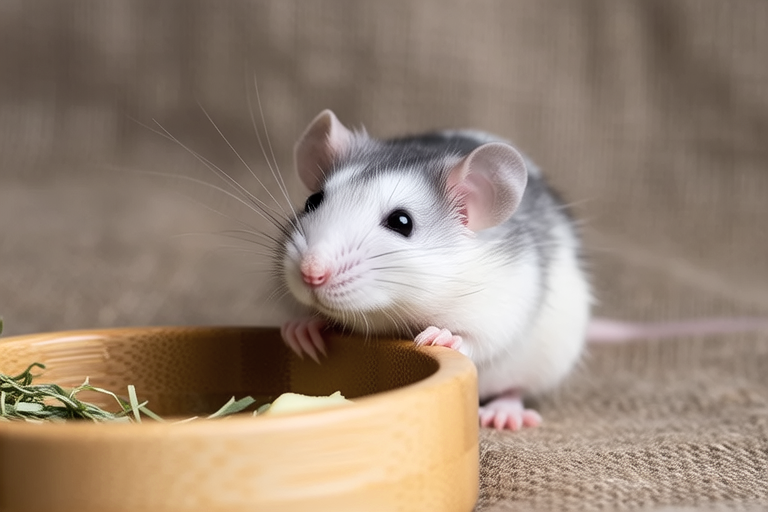
Pawsitively Perfect: Why Chinchillas Are the Coolest Pet You’ve Never Heard Of
Welcome to the world of chinchillas, a unique and fascinating species that hails from the Andes Mountains of South America. These small, furry creatures have captured the hearts of many animal enthusiasts, yet remain relatively unknown to the general public. With their soft, luxurious fur and captivating personalities, chinchillas are the perfect pet for those seeking something truly special. In this article, we will explore why chinchillas are the coolest pets you’ve never heard of, delving into their origins, physical attributes, care requirements, behavior, and what makes them stand out from more common household pets.
Origins and Physical Characteristics
Chinchillas originated in the high altitudes of the Andes Mountains in countries like Chile, Peru, and Bolivia. These rodents adapted to the harsh, cold climates, developing a thick, dense coat that helps them regulate their body temperature. Their natural habitat includes rocky terrains and cliffs, where they seek refuge in crevices and burrows. The chinchilla’s fur is one of its most striking features; it is incredibly soft, consisting of up to 60 hairs per follicle, making it one of the densest coats in the animal kingdom. This plushness has made chinchillas highly sought after in the past for their pelts, leading to significant population declines. However, today, responsible breeding and conservation efforts ensure that chinchillas can be enjoyed as cherished pets.
In addition to their luxurious fur, chinchillas have large, expressive ears that help them detect predators in their natural environment. Their round, black eyes give them a curious and alert appearance, while their short front legs and longer hind legs make them agile jumpers. Chinchillas are typically between 9 to 14 inches long and weigh around 1.5 to 2 pounds, making them a compact yet robust companion.
Care Requirements
Despite their small size, chinchillas require specific care to thrive in captivity. Their diet consists mainly of hay, pellets, and fresh water. It is essential to provide a high-quality chinchilla pellet mix designed for their nutritional needs, along with unlimited access to timothy hay. Fresh vegetables and fruits can be offered sparingly as treats. Chinchillas also need a dust bath several times a week to maintain the health of their fur. A shallow container filled with specialized chinchilla dust allows them to roll and bathe, keeping their coat clean and free from oils.
The habitat setup for a chinchilla is crucial for their well-being. They should be housed in a spacious cage with multiple levels to encourage climbing and exercise. Wire-bottomed cages are generally avoided due to the risk of foot injuries, so solid flooring is recommended. The cage should be placed in a quiet area away from direct sunlight and drafts. Temperature control is vital, as chinchillas prefer cooler environments, ideally between 60 to 70 degrees Fahrenheit. Humidity levels should be kept low to prevent skin conditions and respiratory issues.
Grooming is another aspect of chinchilla care that requires attention. Regular nail trims and teeth checks are necessary, as chinchillas’ teeth continuously grow throughout their lives. A veterinarian experienced with exotic pets can assist with these tasks. Additionally, chinchillas may need occasional baths with a gentle shampoo specifically formulated for their delicate skin and fur.
Behavior and Interaction
Chinchillas are primarily nocturnal animals, meaning they are most active during the night. This behavior can pose challenges for potential owners who work or have busy schedules, as it may limit the amount of time available for interaction. However, with patience and consistency, chinchillas can become accustomed to being handled during their active periods. Early socialization is key to building a bond with your chinchilla, as they tend to be shy and reserved when first introduced to humans.
While chinchillas are not known for being particularly affectionate, they can form strong bonds with their owners. They enjoy playing and exploring, especially when provided with toys and activities that stimulate their minds. Chinchillas are intelligent and curious, often exhibiting behaviors that captivate their human companions. Their social tendencies vary; some chinchillas thrive in pairs or small groups, while others prefer solitude. It is important to research and understand your chinchilla’s individual personality to ensure their happiness and well-being.
Comparison to Common Pets
When compared to more common pets like cats or dogs, chinchillas offer a distinct set of benefits and challenges. Unlike dogs, which require extensive exercise and outdoor time, chinchillas are content with indoor living and can provide companionship without the need for walks or playtime outside. Similarly, chinchillas do not shed as much as cats, making them a great option for people with allergies. However, their nocturnal nature means that they are less likely to be interactive during traditional waking hours, which may be a drawback for those seeking constant companionship.
Chinchillas are also quieter than many other pets, producing soft chirps, squeaks, and purrs rather than barks or meows. This makes them ideal for apartment dwellers or individuals who value peace and quiet. Furthermore, chinchillas are long-lived animals, often reaching 15 to 20 years of age, offering a lifetime of companionship for their owners.
Why Consider a Chinchilla?
Choosing a chinchilla as a pet offers a unique and rewarding experience. Their distinct appearance, combined with their intriguing behaviors and care requirements, sets them apart from more conventional pets. Owning a chinchilla allows you to connect with an animal that is both rare and remarkable. The satisfaction of caring for such a distinctive creature can bring immense joy and fulfillment to your life.
For those willing to commit to the specific needs of chinchillas, these animals can provide a wonderful addition to any household. Their intelligence, curiosity, and playful nature make them a delight to observe and interact with. By providing a loving and enriching environment, you can ensure that your chinchilla thrives and becomes a cherished member of your family.
In conclusion, chinchillas are the coolest pets you’ve never heard of, offering a unique blend of charm, intelligence, and adaptability. While they may not be suitable for everyone, those who are prepared to meet their specific care requirements will find themselves rewarded with a loyal and fascinating companion. Embrace the opportunity to welcome a chinchilla into your home and experience the joy of having a truly pawsitively perfect pet.
