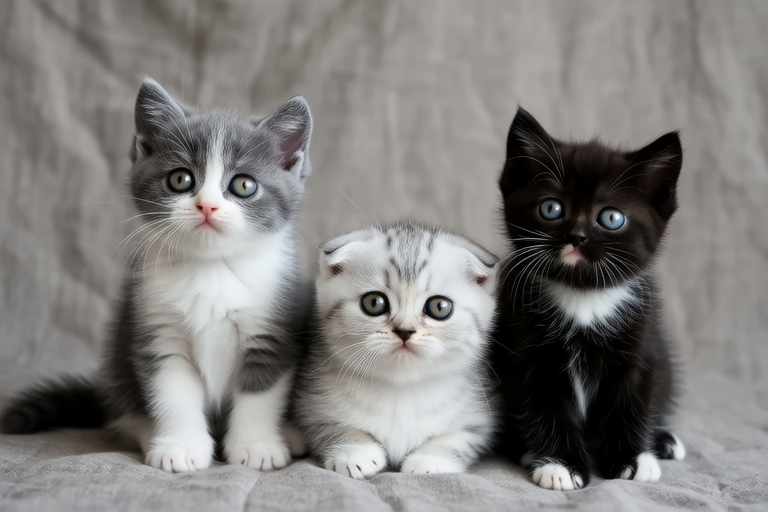
Meet the Muffin-Topped Cats: A Deep Dive into the World of Scottish Folds
Welcome to the fascinating world of Scottish Fold cats, a breed that has captured the hearts of many with their distinctive appearance and charming personalities. These cuddly felines, often referred to as “muffin-topped” due to their round faces and plump bodies, are known for their unique folded ears. Let’s dive deeper into the history, temperament, health, and care of these delightful creatures.
The Distinctive Appearance of Scottish Folds
Scottish Folds are easily recognizable by their signature folded ears, which give them a curious and alert expression. This characteristic is caused by a dominant gene that affects the cartilage in their ears, causing them to fold forward and down. The folds can vary from a simple bend to a double or triple fold, adding to the individuality of each cat. Their round faces, wide-set eyes, and short, plush coats further contribute to their endearing appearance. With their soft, dense fur that comes in various colors and patterns, Scottish Folds are a feast for the eyes.
A Brief History of Scottish Folds
The story of the Scottish Fold begins in 1961, in Scotland, where a barn cat named Susie was found with unusual folded ears. She was bred with local farm cats, and her offspring inherited the unique ear trait. One of her kittens, a white female named Snooks, was bred with a British Shorthair, resulting in the first generation of Scottish Folds. Over time, the breed was refined through selective breeding, maintaining the folded ears while enhancing other desirable traits.
In the 1970s, Scottish Folds were introduced to North America, where they gained popularity for their distinct looks and friendly demeanor. Today, they are recognized by major cat registries around the world, including the Cat Fanciers’ Association (CFA) and The International Cat Association (TICA).
Temperament and Personality Traits
Scottish Folds are renowned for their gentle and affectionate nature, making them excellent companions for families and individuals alike. They are generally calm and adaptable, thriving in most household environments. These cats are known to be playful yet relaxed, often engaging in interactive play with their owners before settling down for a nap. Their curiosity and intelligence make them inquisitive, always exploring their surroundings and seeking out new experiences.
One of the standout traits of Scottish Folds is their vocalization. While not particularly talkative, they are known to communicate through soft meows and chirps, often responding to their owner’s voice or calling for attention when they want some petting or playtime. Their sociable nature means they enjoy the company of humans and can form strong bonds with their owners, often following them around the house and seeking out lap time.
Caring for Your Scottish Fold
Like any other cat, proper care is essential for the well-being of your Scottish Fold. Their short, dense coat requires regular grooming to prevent matting and ensure good hygiene. Brushing your cat a few times a week will help remove loose hair and distribute natural oils throughout the coat, keeping it healthy and shiny. Additionally, Scottish Folds are prone to ear infections due to their folded ears, so it’s important to keep their ears clean and dry. Regular check-ups with a veterinarian can help catch any potential issues early.
Feeding your Scottish Fold a balanced diet is crucial for maintaining their health. High-quality cat food that meets their nutritional needs is recommended. Be mindful of portion sizes to avoid overfeeding, as Scottish Folds have a tendency to gain weight. Providing fresh water at all times and incorporating interactive toys and puzzle feeders can also promote physical activity and mental stimulation.
Health Considerations
While Scottish Folds are generally healthy, they are susceptible to certain health issues. The most significant concern is osteochondrodysplasia, a genetic disorder that affects bone development. This condition can lead to joint problems, especially in the tail and legs, and may cause discomfort or mobility issues. Responsible breeding practices and genetic testing can help reduce the incidence of this condition.
Another common issue is ear infections, which can be exacerbated by the folded ears trapping moisture and debris. Regular cleaning and monitoring of the ears can help prevent these infections. Additionally, Scottish Folds may be prone to obesity if not monitored closely, leading to secondary health issues such as diabetes and arthritis. Maintaining a healthy weight through proper diet and exercise is vital for their overall well-being.
The Growing Popularity of Scottish Folds
Over the years, Scottish Folds have become increasingly popular among cat enthusiasts. Their unique appearance, combined with their affectionate and easy-going personalities, has made them a favorite choice for many households. Their growing popularity can be attributed to their adaptability and ability to form strong bonds with their human companions.
Despite their rising popularity, it’s important to consider the ethical implications of choosing a Scottish Fold as a pet. Due to the genetic factors associated with their folded ears, responsible breeding practices are essential to ensure the health and welfare of these cats. Adopting from reputable breeders who prioritize the well-being of their animals is a crucial step in supporting the breed’s continued success.
In conclusion, Scottish Folds are more than just a pretty face; they are lovable companions that bring joy and comfort to their owners. With their distinctive appearance, gentle temperament, and unique personality, it’s no wonder they have captured the hearts of so many. By understanding their specific needs and providing proper care, you can ensure a long and happy life for your Scottish Fold. Whether you’re a seasoned cat lover or considering adding a furry friend to your family, the Scottish Fold is a breed worth getting to know.
