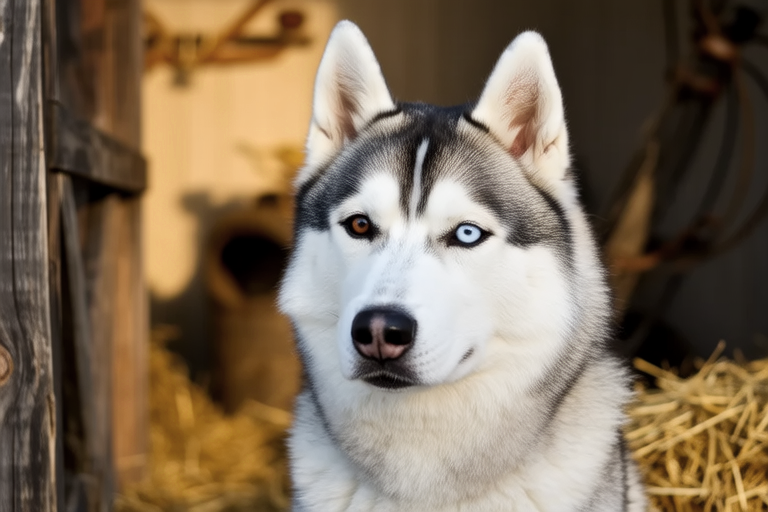
From Farm to Fame: How Siberian Huskies Conquered Social Media
In recent years, Siberian Huskies have emerged as one of the most popular dog breeds on social media, captivating millions of users worldwide with their striking appearance and adventurous spirit. But what many may not realize is that these dogs have a rich history that dates back centuries, long before they became internet sensations. This article explores the journey of Siberian Huskies from their origins as working dogs in harsh climates to their current status as social media stars, highlighting the key traits that make them so appealing online and the role of influencers and viral trends in amplifying their popularity.
The Historical Background of Siberian Huskies
Siberian Huskies originated in northeastern Asia, where they were bred by the Chukchi people of Siberia. These nomadic tribes relied heavily on the dogs for transportation and survival in the frigid Arctic regions. Known for their endurance, strength, and resilience, Siberian Huskies were prized for their ability to pull sleds over long distances without tiring. Their thick coats provided insulation against the cold, and their keen sense of direction made them invaluable guides in the vast, unforgiving landscape.
As early as the 19th century, Siberian Huskies began to be introduced to North America, primarily for use in sled racing and Arctic exploration. One of the most famous examples of this was the serum run to Nome in 1925, during which a relay of mushers and their dogs delivered life-saving diphtheria antitoxin to the Alaskan town. The lead dog of the final leg, Balto, became an instant celebrity, his image appearing on postage stamps and in children’s books. This event helped to solidify the reputation of Siberian Huskies as hardworking, loyal companions capable of incredible feats.
The Transition from Working Dogs to Social Media Sensations
While Siberian Huskies continued to be valued for their working abilities well into the 20th century, their roles gradually shifted as transportation methods evolved and the demand for sled dogs decreased. By the 1970s and 1980s, many Siberian Huskies found themselves in the homes of pet owners, appreciated for their friendly dispositions and playful personalities. It was during this period that the breed began to gain recognition in the world of competitive dog shows and agility trials, further enhancing their reputation as versatile and trainable animals.
The true turning point, however, came with the rise of social media platforms like Instagram, Facebook, and TikTok. These digital spaces allowed dog lovers to share photos, videos, and stories about their pets with a global audience, creating an environment ripe for viral trends and celebrity status. Siberian Huskies, with their striking blue or multi-colored eyes, wolf-like appearance, and mischievous expressions, quickly became favorites among users, often being described as “Instagram-ready.” Their adventurous spirit and love for outdoor activities also aligned perfectly with the aesthetic and values of many social media users, who sought inspiration and connection through images of nature and animal companionship.
Key Traits That Make Siberian Huskies Appealing Online
Several characteristics of Siberian Huskies contribute to their appeal on social media:
- Striking Appearance: With their thick, double-layered coats and piercing blue or bi-colored eyes, Siberian Huskies possess a unique beauty that stands out in any photo or video. Their resemblance to wolves adds an element of mystery and allure, making them particularly photogenic.
- Adventurous Spirit: Known for their love of running and exploring, Siberian Huskies are often captured in action, whether it’s chasing after a ball, hiking through forests, or playing in snow. Their energetic and playful demeanor translates well to visual media, offering viewers a glimpse into the joy of living in the moment.
- Playful Personality: Despite their tough exterior, Siberian Huskies are known for their gentle and affectionate nature towards their human families. Their playful interactions, whether with other dogs or humans, provide heartwarming moments that resonate with audiences seeking positivity and laughter.
Notable Huskies That Gained Fame Through Social Platforms
A number of Siberian Huskies have achieved fame through social media, becoming household names and inspiring countless others to adopt the breed:
- Zeus: Zeus, the Siberian Husky owned by photographer Daniel Shub, became an internet sensation with his striking blue eyes and photogenic poses. His Instagram account amassed over 3 million followers, with fans sharing his photos widely across various platforms.
- Hannah Montana’s Dog: When Miley Cyrus, formerly known as Hannah Montana, adopted a Siberian Husky named Bubba, the breed received even more attention. The pop star’s influence helped to introduce Siberian Huskies to a broader audience, particularly younger viewers who followed her career.
- Ice: Ice, the Siberian Husky featured in the popular YouTube channel “The Dog Show,” has become a beloved figure in the dog-loving community. His playful antics and close bond with his owner have earned him millions of views and numerous fan comments.
These examples illustrate how individual dogs can serve as ambassadors for their breed, showcasing its positive attributes and helping to shape public perception. As more people became aware of Siberian Huskies through these viral moments, the overall popularity of the breed surged, leading to increased adoption rates and participation in dog-related events.
The Role of Influencers and Viral Trends
The success of Siberian Huskies on social media cannot be attributed solely to their inherent qualities but also to the strategic efforts of influencers and viral trends. Influencers, both professional and amateur, play a crucial role in shaping cultural trends by sharing content that resonates with their followers. Many influencers have capitalized on the appeal of Siberian Huskies, creating dedicated channels or accounts focused on their adventures, training, and daily lives. These platforms provide a space for enthusiasts to connect, share tips, and celebrate the breed together.
Viral trends, such as challenges or hashtags, have also played a significant part in boosting the visibility of Siberian Huskies. For instance, the #SiberianHuskyChallenge encouraged users to post videos of their dogs performing specific tasks or displaying particular behaviors. Such trends not only increase engagement but also help to create a sense of community around the breed, fostering a shared identity and pride among participants.
Current and Future Impact of Social Media on Dog Breeds’ Visibility and Lifestyle
The rise of Siberian Huskies on social media has had far-reaching implications for both the breed itself and the broader canine community. Today, Siberian Huskies are one of the most recognizable and beloved breeds, with their presence felt in everything from advertisements to television shows. However, this newfound fame has also brought challenges, including concerns about responsible breeding practices and the potential for over-saturation in certain markets.
Looking ahead, social media is likely to continue playing a vital role in shaping the visibility and lifestyle of dog breeds. As technology advances, new platforms and features will emerge, offering even more opportunities for dogs to connect with their human counterparts. Virtual reality experiences, augmented reality filters, and interactive apps could provide novel ways for people to engage with and learn about different breeds, potentially leading to greater awareness and appreciation.
In addition, there is growing interest in using social media for advocacy purposes, with influencers and organizations working together to promote responsible pet ownership, animal welfare, and conservation efforts. By leveraging the power of social media, advocates hope to create a more informed and compassionate society that values the well-being of all animals.
In conclusion, the journey of Siberian Huskies from working dogs in harsh climates to social media sensations is a testament to the enduring appeal of these remarkable animals. Their striking appearance, adventurous spirit, and playful personality have captured the hearts of millions, while the influence of social media has amplified their visibility and popularity. As we move forward, it will be fascinating to see how social media continues to shape the lives and experiences of dog breeds, both now and in the future.
