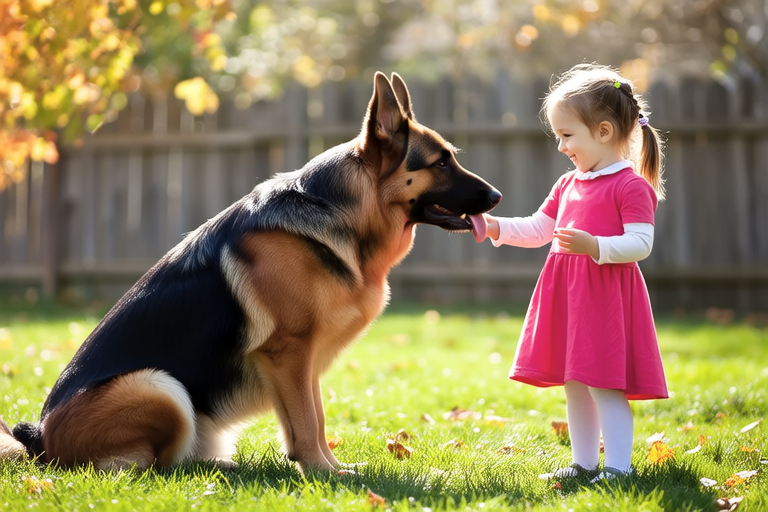
Top 10 Reasons Why German Shepherds Make Incredible Family Pets
German Shepherds have long been recognized as one of the most versatile and intelligent dog breeds. They are often associated with police work, military service, and search and rescue missions. However, beyond their professional roles, these dogs also make incredible family pets. Their loyalty, intelligence, and protective nature, among other qualities, make them ideal companions for families. Below is a comprehensive list of reasons why German Shepherds are perfect for households.
1. Unwavering Loyalty
One of the most cherished traits of German Shepherds is their loyalty. These dogs form strong bonds with their owners and will go to great lengths to protect and support them. This loyalty extends to all members of the family, making them excellent companions for children and adults alike. For instance, many families report that their German Shepherd will follow them from room to room, offering comfort and companionship.
Historically, this trait has been harnessed for military and law enforcement purposes. German Shepherds have been known to risk their lives to save their handlers, showcasing the depth of their loyalty. This same dedication translates into a loving and supportive home environment, where they are always ready to offer affection and assistance.
2. Exceptional Intelligence
German Shepherds are one of the smartest dog breeds, ranking highly on intelligence scales. Their ability to learn commands quickly and follow instructions makes them ideal for training. This intelligence is crucial for families who want a well-behaved and disciplined pet. Training sessions can be both fun and educational for both the dog and the owner.
Their cognitive abilities allow them to understand complex tasks and solve problems, which can be beneficial in various situations. For example, German Shepherds can be trained to assist individuals with disabilities, providing support and enhancing their quality of life. In a family setting, this intelligence translates into a dog that can be taught to fetch items, open doors, or even alert family members to potential dangers.
3. Protective Nature
Known for their protective instincts, German Shepherds are natural guard dogs. They are vigilant and will alert their family to any unusual activity or potential threats. This protective nature is not aggressive but rather a manifestation of their desire to keep their loved ones safe. They are particularly attuned to the presence of strangers, which can be reassuring for parents concerned about the safety of their children.
For families living in areas prone to theft or vandalism, having a German Shepherd can provide peace of mind. Their bark is often enough to deter intruders, and if necessary, they can physically intervene to protect their family. This does not mean that they are overly aggressive; rather, they are cautious and alert, ensuring that the family is secure without causing unnecessary harm.
4. High Energy Levels
German Shepherds are energetic dogs that require regular exercise to maintain their physical and mental health. Their high energy levels make them excellent playmates for active families. Engaging in activities like running, hiking, or playing fetch can help burn off excess energy and prevent destructive behaviors that might arise from boredom.
Owners of German Shepherds should be prepared to dedicate time to their dog’s exercise needs. Daily walks and playtime are essential for keeping these dogs happy and healthy. Families with young children or those who enjoy outdoor activities will find that a German Shepherd’s energy level complements their lifestyle perfectly. Additionally, their stamina makes them ideal for longer hikes or more intensive physical activities.
5. Adaptability to Different Living Environments
Contrary to popular belief, German Shepherds can thrive in a variety of environments, including apartments and homes with small yards. While they prefer larger spaces where they can run freely, they can adapt to smaller living conditions as long as they receive adequate exercise and stimulation. This adaptability makes them suitable for city dwellers and suburban families alike.
It’s important for prospective owners to understand that while German Shepherds can adapt, they still need a stimulating environment. Providing toys, puzzles, and interactive games can help keep their minds engaged, especially in confined spaces. With proper care and attention, these dogs can be just as content in a small apartment as they would be in a spacious home.
6. Trainability and Obedience
German Shepherds are renowned for their trainability and obedience. They respond well to positive reinforcement techniques, such as treats and praise, which makes training a rewarding experience for both the owner and the dog. This trainability is crucial for families looking for a well-mannered and disciplined pet.
Training a German Shepherd can involve basic commands like sit, stay, and come, as well as more advanced tasks such as agility training or therapy work. Their willingness to learn and服从命令的能力使它们成为家庭的理想伴侣。训练一个德国牧羊犬可以包括基本的命令,如坐下、停留和来,以及更高级的任务,如敏捷训练或治疗工作。他们的学习能力和服从命令的能力使它们成为家庭的理想伴侣。
7. Compatibility with Children and Other Pets
German Shepherds are generally very good with children and can be gentle and patient playmates. They are protective of the children in their family, ensuring their safety. However, it is important to supervise interactions between young children and any dog, regardless of breed, to ensure the safety of both.
In addition to their compatibility with children, German Shepherds can also get along well with other pets, provided they are introduced properly and given time to adjust. Socialization from a young age is key to fostering harmonious relationships with other animals. With appropriate socialization, German Shepherds can coexist peacefully with cats, smaller dogs, and even livestock.
8. Versatility in Roles
Beyond being loyal companions, German Shepherds excel in various roles. They are commonly used in law enforcement, search and rescue operations, and as service dogs. This versatility is reflected in their ability to adapt to different tasks within a family setting. For example, some German Shepherds can be trained to assist individuals with disabilities, while others may serve as therapy dogs, bringing comfort and joy to those in need.
Their ability to perform diverse tasks makes them valuable additions to any household. Whether it’s helping a child with special needs, comforting a family member during a tough time, or simply providing companionship, German Shepherds can fill multiple roles within a family. This versatility ensures that they remain useful and cherished members of the household.
9. Strong Work Ethic
German Shepherds possess a strong work ethic, which makes them dedicated and reliable partners. This trait is evident in their willingness to complete tasks and their focus on achieving goals. In a family setting, this translates into a dog that is eager to please its owner and consistently performs well in training sessions and daily activities.
Their work ethic is particularly beneficial for families who lead active lifestyles or have specific needs that require assistance. For instance, German Shepherds can be trained to assist with household chores, guide individuals with visual impairments, or provide emotional support. Their commitment to their duties ensures that they are dependable and trustworthy companions.
10. Longevity and Health
German Shepherds typically live between 9 to 13 years, depending on factors such as genetics, diet, and lifestyle. While they are generally healthy dogs, they are prone to certain health issues, such as hip dysplasia and degenerative myelopathy. Regular veterinary check-ups and a balanced diet can help mitigate these risks and ensure a long, healthy life for your German Shepherd.
Proper care and attention are crucial for maintaining the health of a German Shepherd. Regular exercise, a nutritious diet, and routine vet visits are essential for preventing common health problems. By investing in your dog’s well-being, you can ensure that they remain a vital part of your family for many years to come.
In conclusion, German Shepherds are truly remarkable dogs that bring countless benefits to families. Their loyalty, intelligence, protective nature, and adaptability make them exceptional companions. While they require dedication and effort, the rewards of owning a German Shepherd far outweigh the challenges. If you’re considering adding a new member to your family, a German Shepherd could be the perfect choice.
