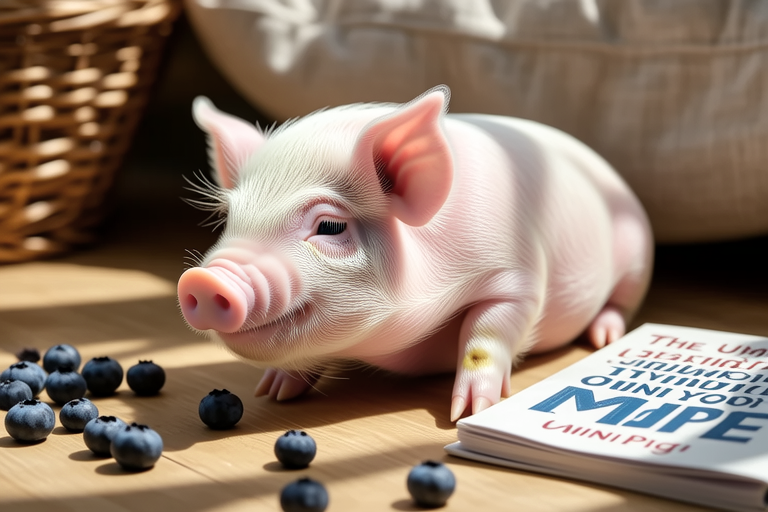
The Ultimate Guide to Owning and Loving Your Mini Pig
Welcome to the world of mini pigs! These delightful creatures can make wonderful companions, but they require careful consideration and proper care to ensure they thrive. This comprehensive guide will walk you through everything you need to know about owning and loving your mini pig, from choosing the right piglet to understanding their unique behaviors.
Choosing the Right Mini Pig
Selecting the perfect mini pig involves several factors. Start by researching reputable breeders who prioritize the health and well-being of their animals. Visit the breeding facility if possible to observe the living conditions and meet the parents of the piglets. Look for signs of good health such as clear eyes, clean ears, and an active demeanor. Consider adopting from shelters or rescue organizations; many offer fully vetted pigs ready for a loving home.
Dietary Needs
A balanced diet is crucial for your mini pig’s health. Their diet should consist mainly of high-quality commercial pig pellets designed specifically for mini pigs, supplemented with fresh vegetables like carrots, bell peppers, and leafy greens. Avoid feeding them excessive amounts of fruits due to their high sugar content. Always provide fresh water in a heavy bowl that won’t tip over easily. Consult with a veterinarian specializing in exotic pets to tailor a diet plan based on your pig’s age, weight, and activity level.
Housing Requirements
Your mini pig needs a comfortable, safe space indoors or outdoors depending on local climate and weather conditions. Inside, create a cozy area with soft bedding such as straw or fleece blankets. Provide plenty of room for movement and consider adding obstacles like tunnels or platforms for enrichment. Outside, ensure there’s shelter from harsh elements and a secure fence to prevent escapes. Keep bedding clean and dry to maintain hygiene.
Exercise and Playtime
Regular exercise is vital for maintaining your mini pig’s physical and mental health. Encourage daily walks using a harness and leash, allowing them time to explore safely. Interactive toys stimulate curiosity and provide entertainment. Rotate toys periodically to keep things interesting. Engage in play sessions regularly; this strengthens bonds between you and your pet while promoting healthy social interactions.
Grooming Tips
Mini pigs have short hair that requires minimal grooming compared to other pets, but regular brushing helps remove loose fur and prevents matting. Bathe only when necessary since frequent bathing strips natural oils from their skin. Trim nails every few weeks if needed. Clean ears gently with a damp cloth, checking for any signs of infection or irritation. Brush teeth occasionally using pet-safe toothpaste.
Health Care Basics
Vaccinations protect against common diseases prevalent among pigs. Schedule annual check-ups with a veterinarian familiar with miniature breeds. Monitor weight closely; obesity poses significant risks including heart disease and joint issues. Watch out for unusual behaviors or physical symptoms which might indicate illness. Establish a routine for parasite control under professional guidance.
Training Techniques
Positive reinforcement methods work best when training mini pigs. Use treats sparingly during training sessions to avoid weight gain. Teach basic commands like ‘sit,’ ‘stay,’ and ‘come’ through consistent repetition and reward-based learning. Praise successes loudly and enthusiastically. Be patient; each pig learns at its own pace. Avoid punishment-based approaches as these may lead to fearfulness or aggression.
Behavior Understanding
Understanding your mini pig’s behavior enhances communication and strengthens relationships. They communicate through body language – ears forward indicate alertness, flattened ears suggest submission, and tail wagging signals excitement. Recognize individual personalities; some pigs are more outgoing while others prefer quieter environments. Pay attention to stress indicators like pacing, excessive chewing, or hiding behaviors.
Advice for Integrating Mini Pigs Into Family Life
Integrating a mini pig into your household takes effort but pays off immensely. Introduce them gradually to family members, especially children, ensuring everyone understands how to interact safely. Set boundaries early on regarding where the pig can roam freely within the house. Establish routines for feeding times, play periods, and bedtime rituals. Involve all family members in caring responsibilities to foster unity.
Owning a mini pig brings joy and challenges alike. By following these guidelines, you’ll be well-equipped to provide excellent care for your beloved companion. Remember, patience, love, and consistency are key ingredients in nurturing a happy, healthy mini pig. Enjoy this rewarding journey together!
