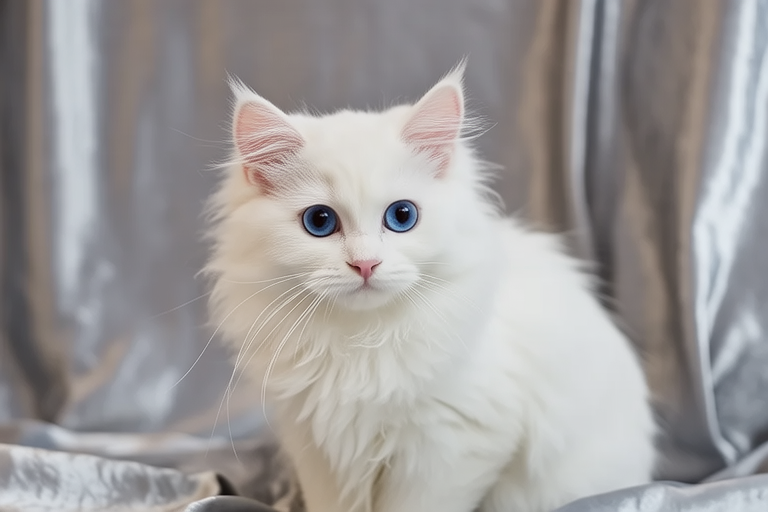
Turkish Angora Cats: Feline Royalty
The Turkish Angora is a regal breed of cat known for its elegance and grace. Originating from Turkey, this breed has been cherished for centuries for its striking appearance and unique traits. This article delves into the history, physical characteristics, and care requirements of the Turkish Angora, highlighting why it is considered a feline royalty.
Historical Significance
The Turkish Angora’s origins can be traced back to Turkey, where it has been revered for centuries. These cats have played an important role in Turkish culture, often being depicted in art and literature. The breed is believed to have existed for thousands of years, with records dating back to the 16th century. In the 17th century, Turkish Angoras were exported to Europe and became popular among European nobility. The breed was officially recognized by the Cat Fanciers’ Association (CFA) in 1973.
Physical Characteristics
The Turkish Angora is a medium-sized cat with a slender build, making it appear graceful and elegant. Their bodies are muscular and well-proportioned, with long legs and a plumed tail. The breed’s most striking feature is its coat, which is silky and semi-longhaired. The texture of the coat is soft and luxurious, giving the cat a sleek appearance. Turkish Angoras come in a variety of colors, including white, black, red, and tabby patterns. One of the most distinctive features of the breed is its striking blue eyes, which are a result of a genetic mutation. However, other eye colors, such as green or gold, are also possible.
Unique Traits
Turkish Angoras are known for their intelligence, playful nature, and adaptability. They are highly social animals and enjoy interacting with their owners. These cats are curious and love to explore their surroundings, making them excellent companions for people who enjoy a lively and engaging pet. Turkish Angoras are also known for their vocalizations, often chirping or trilling to communicate with their owners. Despite their playful nature, they are relatively easy to train, making them ideal for households with children or other pets. Their adaptability makes them suitable for both indoor and outdoor living, though they are more commonly kept indoors in modern times.
Health
Turkish Angoras are generally healthy cats, but like all breeds, they are prone to certain genetic conditions. One of the most common health issues in Turkish Angoras is congenital heart disease, which affects the heart’s ability to pump blood efficiently. Another potential issue is patellar luxation, a condition where the kneecap dislocates. Regular veterinary check-ups and screenings can help detect these conditions early, allowing for prompt treatment. Turkish Angoras typically live between 12 and 15 years, though some may live longer with proper care.
Caring for Turkish Angoras
Diet
Providing a balanced diet is essential for maintaining the health of Turkish Angoras. A high-quality commercial cat food that meets the nutritional needs of your cat is recommended. It is important to avoid overfeeding, as obesity can lead to health problems such as diabetes and joint issues. Fresh water should always be available, and treats should be given sparingly. Consult your veterinarian for specific dietary recommendations based on your cat’s age, weight, and activity level.
Grooming
Turkish Angoras have semi-longhair coats that require regular grooming to keep them looking their best. Brushing your cat several times a week helps remove loose hair and prevent matting. During shedding seasons, daily brushing may be necessary. Bathing your cat every few months can also help keep their coat clean and healthy. Be sure to use a gentle shampoo designed for cats and avoid getting water in their ears or eyes. Dental hygiene is also important, so provide your cat with dental toys and brush their teeth regularly to prevent gum disease.
Exercise
Turkish Angoras are active cats that enjoy playing and exploring. Providing them with toys, climbing structures, and scratching posts can help keep them entertained and physically fit. Interactive playtime with your cat is also beneficial for their mental and physical well-being. Consider using laser pointers, feather wands, or puzzle feeders to engage your cat’s natural hunting instincts. Daily exercise can help prevent obesity and promote overall health.
Conclusion
The Turkish Angora is a breed of cat that embodies elegance and grace, making it a true feline royalty. Its origins in Turkey and its long-standing cultural significance make it a breed with a rich history. The breed’s striking appearance, with its silky coat and blue eyes, sets it apart from other cats. Turkish Angoras are intelligent, playful, and adaptable, making them excellent companions for the right owner. With proper care, including a balanced diet, regular grooming, and adequate exercise, Turkish Angoras can live long, healthy lives. For those who appreciate a regal and charming companion, the Turkish Angora is an ideal choice.
