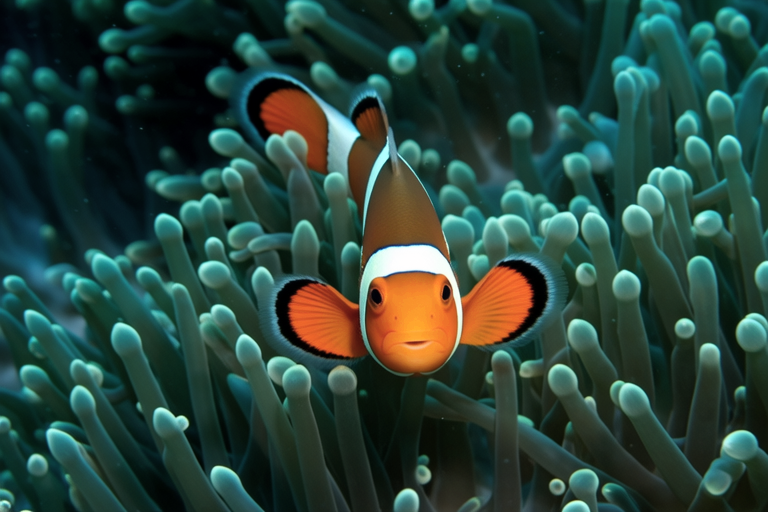
From Finding Nemo to Reality: Discovering the True Nature of Clownfish
The vibrant orange and white stripes of the clownfish have become iconic thanks to Disney Pixar’s animated film Finding Nemo. Released in 2003, the movie captivated audiences worldwide with its heartwarming story and endearing characters, making the clownfish one of the most recognized and beloved creatures in the ocean. However, while the film brought attention to these fascinating fish, it also created a somewhat distorted image of their true nature. This article aims to delve deeper into the reality of clownfish, exploring their real characteristics, habitats, behaviors, and the complex relationships they share with their environment.
The Real Characteristics of Clownfish
Clownfish, scientifically known as Amphiprioninae, belong to the family Pomacentridae, which includes damselfishes. There are around thirty species of clownfish, each varying slightly in appearance and size. The most popular species, Amphiprion ocellaris, is the one featured in Finding Nemo. In the wild, these fish can grow up to three inches long, though they often remain smaller due to predation and environmental pressures. Their bright coloration serves as a warning to potential predators, indicating that they are toxic, thanks to the algae-like organisms living within their bodies.
Habitat and Behavior
Clownfish are primarily found in coral reefs across the Indo-Pacific region, from the Red Sea to the Pacific Ocean. They prefer sheltered lagoons and areas with abundant sea anemones, which serve as both homes and protection. These fish are territorial and fiercely defend their anemone hosts against intruders. Their natural behaviors include darting in and out of the anemone, cleaning it of debris, and even chasing away larger fish that come too close.
Symbiotic Relationship with Sea Anemones
The most intriguing aspect of clownfish biology is their symbiotic relationship with sea anemones. This mutually beneficial partnership has evolved over millions of years, creating one of nature’s most remarkable examples of interspecies cooperation. Sea anemones are cnidarians, related to jellyfish, and possess stinging cells called nematocysts. While most fish avoid these potent stingers, clownfish have developed a thick mucus layer on their skin that protects them from the anemone’s sting. In return, clownfish provide several benefits to the anemone. They clean the anemone by removing parasites and dead tentacles, aerate the water around it, and attract small fish and plankton, which serve as food for the anemone.
Unique Reproductive Behaviors
Clownfish reproduction is particularly fascinating due to their ability to change gender. All clownfish begin their lives as males. Within a group, only the largest fish is female, and the second-largest is male. If the dominant female dies, the remaining male will transform into a female and the next largest male will take her place. This transformation occurs gradually, allowing the group to maintain stability without a significant gap in leadership.
The breeding process begins when the female selects a site to lay eggs, usually near the base of the anemone. She then cleans the surface meticulously before laying hundreds of eggs in a circular pattern. The male takes over, guarding the eggs vigilantly, fanning them with his fins to ensure a steady flow of oxygen-rich water. After approximately seven days, the eggs hatch, releasing tiny larvae into the open ocean. The survival rate of these larvae is extremely low, with only a fraction returning to their reef homes to mature.
Misconceptions from the Movie
While Finding Nemo sparked global interest in clownfish, it also introduced some misconceptions about their behavior and lifestyle. One common misconception is that all clownfish live in pairs, like Marlin and Dory in the movie. In reality, clownfish live in harems, with one dominant female and multiple males. Another myth perpetuated by the film is that clownfish are naturally found in sea turtles’ shells, as seen when Nemo hides inside Squirt, the turtle. While clownfish may sometimes seek refuge in unusual places, such as empty snail shells, they do not typically reside in sea turtles.
Moreover, the movie portrays clownfish as highly intelligent and capable of complex communication, traits more characteristic of mammals than fish. In truth, clownfish rely on instinct and sensory cues rather than cognitive abilities to navigate their environment and interact with others. Despite these inaccuracies, the film succeeded in highlighting the importance of family bonds and perseverance, themes that resonate with audiences of all ages.
Appreciating the Complexity Beyond the Screen
As we explore the true nature of clownfish, it becomes evident that these creatures are far more complex and interesting than their portrayal in the cinema. Their symbiotic relationships, unique reproductive strategies, and adaptations to their environment paint a picture of resilience and coexistence. By understanding the reality behind the myths, we can develop a greater appreciation for the intricate balance of marine ecosystems.
Conservation efforts are crucial to ensuring the survival of clownfish and their habitats. Coral reefs, the primary homes of clownfish, are under threat from climate change, pollution, and overfishing. Rising sea temperatures cause coral bleaching, leading to the degradation of reef structures and the loss of critical habitats. Pollution from agricultural runoff and plastic waste further stresses these delicate ecosystems. Overfishing not only depletes clownfish populations but also disrupts the balance of entire reef communities.
Individuals can contribute to conservation efforts by supporting sustainable fishing practices, reducing plastic consumption, and participating in beach cleanups. Additionally, visiting reputable aquariums that prioritize ethical sourcing and education can help raise awareness about the importance of marine biodiversity. By fostering a deeper connection with these incredible creatures, we can inspire future generations to protect the oceans and all the life they support.
In conclusion, while Finding Nemo captured our hearts with its charming characters and heartfelt narrative, it also provided a window into the world of clownfish. As we move beyond the screen, let us embrace the complexity and wonder of these fascinating fish and commit to preserving the ecosystems that sustain them. Together, we can ensure that the magic of clownfish continues to inspire and enchant for generations to come.
