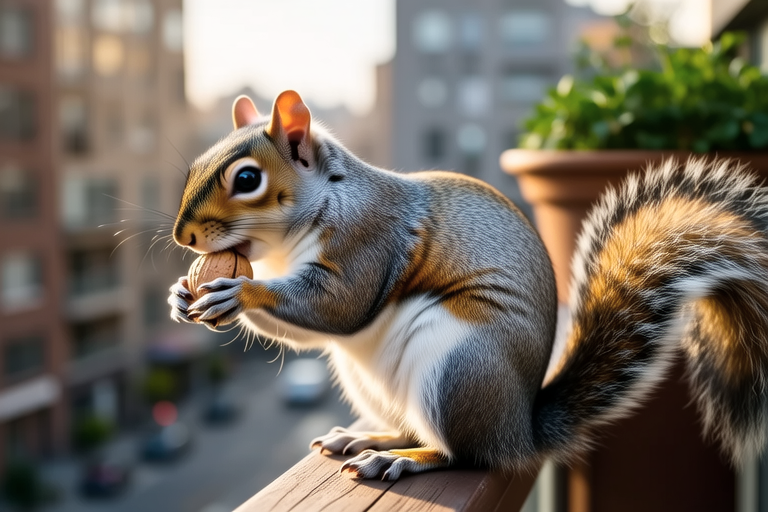
The Transformation of Squirrels into Urban Dwellers
Urbanization has dramatically altered landscapes worldwide, creating new environments for wildlife to navigate. Among these adaptable creatures are squirrels, which have transformed from common backyard visitors into sophisticated urban dwellers. This article explores their adaptability, behaviors, and interactions within city environments, highlighting unique challenges they face and how they overcome them.
Adaptability and Behavior
Squirrels exhibit remarkable adaptability, thriving in diverse habitats, including urban areas. They are opportunistic feeders, consuming seeds, nuts, fruits, insects, and even human food scraps. Their ability to exploit various food sources ensures their survival in urban environments.
In cities, squirrels display distinct behavioral patterns. They establish territories, mark them with scent glands, and defend them against intruders. Communication among squirrels includes vocalizations, tail flicks, and body postures. These methods help them coordinate activities, warn others of predators, and maintain social hierarchies.
Unique Challenges and Solutions
Urban squirrels face several challenges, such as limited food availability, increased predation, and exposure to vehicles. To overcome these obstacles, they employ various strategies. For instance, they often scavenge from garbage bins and bird feeders, utilizing human-provided resources. Additionally, they have developed an awareness of traffic patterns, crossing roads at safe intervals.
Diet and Habitat Preferences
Squirrels’ diets vary depending on the season and location. In spring and summer, they primarily consume fresh vegetation, fruits, and insects. During autumn, they focus on gathering nuts and seeds for winter storage. Winter diets consist mainly of stored food and bark.
Urban squirrels prefer habitats with abundant food sources, shelter, and nesting sites. They often inhabit parks, gardens, and residential areas with mature trees. Tree cavities, nests built in branches, and attics serve as suitable shelters.
Communication Methods
Squirrels communicate through vocalizations, tail flicks, and body postures. Alarm calls alert conspecifics about potential threats, while tail flicks signal agitation or warning. Body postures convey dominance, submission, or courtship intentions. These communication methods facilitate social interactions and cooperation within squirrel communities.
Conservation Efforts and Human Role
Conservation efforts aim to protect squirrel populations and their habitats. Organizations conduct research, monitor populations, and implement management plans to ensure their well-being. Humans play a crucial role in maintaining squirrel populations by providing food, water, and shelter. However, it is essential to strike a balance between supporting squirrels and addressing potential conflicts.
Intelligence and Resourcefulness
Squirrels demonstrate impressive problem-solving skills, memory, and learning abilities. They can remember the locations of thousands of hidden caches and retrieve them months later. Studies show that squirrels can distinguish between different types of nuts and adjust their behavior accordingly. They also exhibit tool use, manipulating objects to reach desired items.
Why Understanding Squirrels is Important
Understanding squirrels is vital for wildlife conservation and urban planning. By studying their behaviors, we can develop effective conservation strategies and create sustainable urban environments. Knowledge of squirrels helps us design green spaces that benefit both wildlife and humans, promoting coexistence and enhancing biodiversity.
Conclusion
Urban squirrels have successfully adapted to city life, showcasing their resilience and resourcefulness. Their presence enriches our urban ecosystems, offering valuable lessons about adaptability and coexistence. By fostering a deeper understanding of these intelligent animals, we can contribute to their conservation and the creation of more harmonious urban landscapes.
