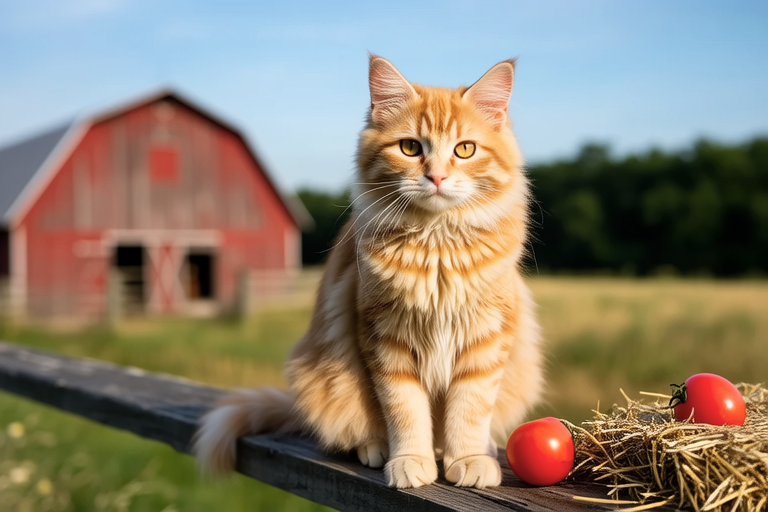
From Farm to Fame: How Orange Cats Took Over Social Media
In recent years, there has been a noticeable surge in the popularity of orange cats on social media platforms. These felines have captured the hearts of millions, becoming internet sensations and influencing social media trends. The unique characteristics of orange cats, their friendly and approachable demeanor, have played a significant role in their rise to fame. This article delves into the reasons behind their growing popularity, explores their historical context, and analyzes why these cats resonate so well with online audiences.
The Rise of Orange Cats on Social Media
Orange cats have become a common sight on social media, with countless posts, videos, and stories featuring these charming creatures. From Instagram to TikTok, platforms are flooded with content showcasing the playful antics and serene moments of orange cats. Their striking appearance, coupled with their friendly nature, makes them ideal candidates for viral content. The internet’s love affair with orange cats began subtly but has since grown into a full-blown phenomenon.
Unique Characteristics of Orange Cats
Orange cats are known for their vibrant coats and warm personalities. Their friendly and approachable demeanor sets them apart from other cat breeds. These cats are often seen as more sociable and affectionate, making them perfect companions for humans. Their distinctive color also adds to their appeal, as it is relatively rare among domesticated cats. This combination of physical attributes and personality traits has made orange cats particularly popular among pet owners and social media users alike.
Historical Context: Cat Domestication and Orange Cats
To understand the prevalence of orange cats throughout history, we must look at the domestication of cats. Cats were first domesticated around 9,500 years ago in the Middle East, with evidence suggesting that early farmers kept them as pets. Throughout history, orange cats have been a common sight in households, farms, and even royal courts. Their adaptability and friendly nature made them ideal companions for humans. As societies evolved, so did the relationship between humans and cats, with orange cats maintaining their status as beloved pets.
Notable Orange Cats That Became Internet Sensations
Several orange cats have risen to fame, becoming household names and influencing social media trends. One such cat is Maru, a Japanese cat known for his barrel-rolling antics. Maru’s YouTube channel amassed millions of subscribers, with viewers captivated by his playful behavior. Another famous orange cat is Lil Bub, a quirky and adorable cat born with several medical conditions. Her unique appearance and endearing personality have made her a fan favorite, inspiring numerous memes and merchandise. These cats have not only gained individual fame but have also contributed to the overall trend of orange cats on social media.
Why Do Orange Cats Resonate So Well With Online Audiences?
The psychological and emotional connection between humans and cats plays a crucial role in the success of orange cats on social media. Research shows that interacting with animals can reduce stress, anxiety, and depression, promoting overall well-being. Orange cats, with their friendly and approachable demeanor, provide comfort and companionship to their human counterparts. Additionally, the visual appeal of their vibrant coats and expressive faces makes them ideal subjects for social media content. The combination of emotional support and aesthetic pleasure creates a powerful draw for online audiences.
The Future of Pet Influencers and Orange Cats
The future of pet influencers looks promising, with orange cats likely to continue playing a significant role in shaping social media culture. As social media platforms evolve, so will the content creators and influencers who populate them. The next generation of pet influencers may see a rise in collaborative efforts between human and animal creators, with orange cats leading the way. The enduring appeal of these feline friends suggests that they will remain a prominent presence on social media, inspiring new trends and content formats.
In conclusion, the rise of orange cats on social media is a fascinating phenomenon that reflects broader trends in human-animal interaction and social media culture. Their unique characteristics, combined with historical context and psychological factors, have made them ideal candidates for internet stardom. As social media continues to evolve, orange cats will undoubtedly play a vital role in shaping the future of pet influencers and online content creation.
