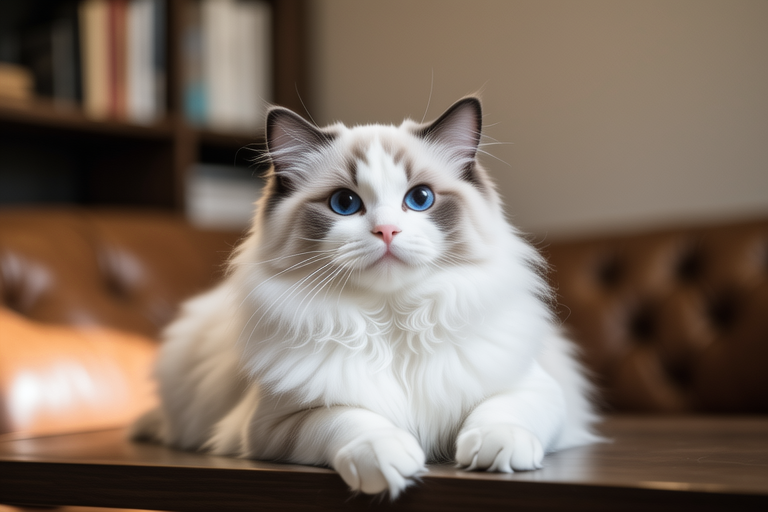
From Lap to Legend: Discovering the Enchanting World of Ragdolls
Welcome to the enchanting world of Ragdolls! These gentle giants have captured the hearts of many cat enthusiasts with their unique characteristics, affectionate nature, and captivating history. In this article, we will delve into the fascinating world of Ragdolls, exploring their origins, temperament, care requirements, and the reasons behind their legendary status.
The History of Ragdolls
The story of the Ragdoll begins in the early 1960s when Ann Baker, a breeder from California, decided to create a new breed of cat. She crossed a Persian and a Birman, aiming to produce a cat with a sweet disposition and a luxurious coat. The result was the Ragdoll, a breed that quickly gained popularity due to its docile nature and striking appearance.
One of the most famous legends surrounding the Ragdoll breed is the story of how they got their name. According to Baker, after her cat was hit by a car, it remained limp in her arms, much like a rag doll. This incident inspired the name and helped cement the breed’s reputation for being exceptionally gentle and affectionate. While the truth behind this tale remains a mystery, it has certainly added to the mystique and appeal of the breed.
Unique Characteristics of Ragdolls
Ragdolls are large, semi-longhaired cats with a distinctive appearance. They have a broad chest, sturdy build, and a silky, plush coat that comes in various colors and patterns. Their blue eyes, wide-set ears, and long, bushy tails add to their regal look. Ragdolls are known for their striking blue eyes, which are often compared to sapphires.
One of the most remarkable features of Ragdolls is their tendency to go limp when picked up, hence the name ‘Ragdoll.’ This trait is not exclusive to them, but it is more pronounced in Ragdolls than in other breeds. It’s believed that this characteristic results from a genetic mutation that causes their muscles to relax when they are held, making them feel as soft and floppy as a doll.
Gentle Temperament
Ragdolls are renowned for their sweet and gentle nature, making them perfect companions for families and individuals alike. They are incredibly affectionate and enjoy spending time with their owners, often following them around the house. Ragdolls are known to be very patient and tolerant, which makes them ideal pets for households with children or other animals.
Despite their docile demeanor, Ragdolls are intelligent and curious cats. They enjoy exploring their surroundings and can be quite playful. Many owners report that their Ragdolls love to play fetch and even learn tricks. Their calm and serene nature combined with their playful side makes them delightful companions.
Care Requirements
While Ragdolls are generally low-maintenance cats, they do require some specific care to keep them healthy and happy. Their long, silky coats need regular grooming to prevent matting and tangling. Brushing your Ragdoll at least twice a week will help maintain their coat’s condition and reduce shedding. Additionally, bathing them occasionally can help keep their fur clean and shiny.
Feeding your Ragdoll a balanced diet is essential for their overall health. High-quality cat food that meets their nutritional needs is recommended. Obesity can be a concern for this breed, so it’s important to monitor their weight and adjust their portion sizes accordingly. Regular exercise and playtime can also help keep them fit and active.
Like all cats, Ragdolls need access to clean water, a litter box, and a comfortable sleeping area. Providing them with scratching posts and toys can help satisfy their natural instincts and keep them entertained. Regular veterinary check-ups and vaccinations are also crucial for maintaining their health.
Popular Myths About Ragdolls
There are several myths and misconceptions about Ragdolls that are worth addressing. One common myth is that Ragdolls are completely inactive and lazy. While they are indeed calm and laid-back, they still require stimulation and interaction to stay happy and healthy. Another misconception is that they are hypoallergenic. Unfortunately, no cat breed is entirely hypoallergenic, but Ragdolls may be less likely to trigger allergies due to their lower levels of Fel d 1, the protein responsible for causing allergic reactions in some people.
Another myth is that Ragdolls are suitable only for indoor living. While it’s true that keeping them indoors helps protect them from outdoor dangers, many Ragdolls thrive in indoor environments where they can explore and play safely. Providing them with plenty of vertical space, such as shelves and cat trees, can help satisfy their need for exploration and climbing.
Why They Are Called “Rag Dolls”
The term “Ragdoll” perfectly captures the essence of these gentle creatures. When picked up, Ragdolls tend to become limp and relaxed, much like a soft, cuddly doll. This behavior is one of the most endearing traits of the breed and is often attributed to their genetic makeup. However, there are differing opinions on what exactly causes this phenomenon. Some experts believe it is due to a genetic mutation, while others suggest it could be related to their breeding and selection for a docile temperament.
Regardless of the exact cause, this unique characteristic has made Ragdolls a favorite among cat lovers. Their relaxed demeanor and willingness to be held make them ideal lap cats, providing comfort and companionship to their owners. Many owners describe their Ragdolls as having a calming presence, helping to reduce stress and promote relaxation.
Anecdotes and Stories
One of the most cherished stories about Ragdolls involves a family who adopted a Ragdoll kitten named Luna. The family had been searching for a companion for their elderly dog, Max, who had recently lost his hearing. To their delight, Luna and Max formed an inseparable bond, with Luna often leading Max around the house and comforting him during times of distress. Their heartwarming relationship became the talk of the neighborhood, showcasing the incredible adaptability and empathy of Ragdolls.
Another touching story comes from a single mother who found solace in her Ragdoll, Oliver, after losing her job. During her darkest moments, Oliver would curl up beside her, offering silent support and companionship. His gentle presence provided her with the strength she needed to persevere through tough times, illustrating the profound impact Ragdolls can have on their owners’ lives.
Conclusion
Ragdolls are truly extraordinary cats, combining elegance, intelligence, and affection in a way that captivates the hearts of everyone who encounters them. From their unique characteristics and gentle temperament to their rich history and care requirements, Ragdolls offer a world of wonder and joy to those fortunate enough to share their lives. Whether you’re a seasoned cat owner or considering adopting your first feline friend, discovering the world of Ragdolls is sure to leave you enchanted and eager to learn more.
