The Secret Life of American Shorthair Cats: Fun Facts You Didn’t Know
The American Shorthair is one of the most beloved cat breeds in the United States, known for its robust physique, gentle nature, and versatile adaptability. Originating from European cats that accompanied early settlers to North America, these felines have played a significant role in American history. They were primarily valued for their rodent-hunting prowess, which helped protect valuable crops and food supplies. Over time, they became cherished companions, admired for their loyalty and affectionate demeanor.
Origins and Historical Significance
The American Shorthair’s lineage can be traced back to the 16th century when European settlers brought domesticated cats across the Atlantic Ocean. These cats were essential in controlling rodent populations aboard ships and on new settlements. As the colonies grew, so did the cat population, leading to the development of a distinct breed that would become the American Shorthair. Recognized by the Cat Fanciers’ Association (CFA) in 1906, this breed has since been celebrated for its contribution to American agriculture and its enduring presence in American households.
Unique Physical Traits
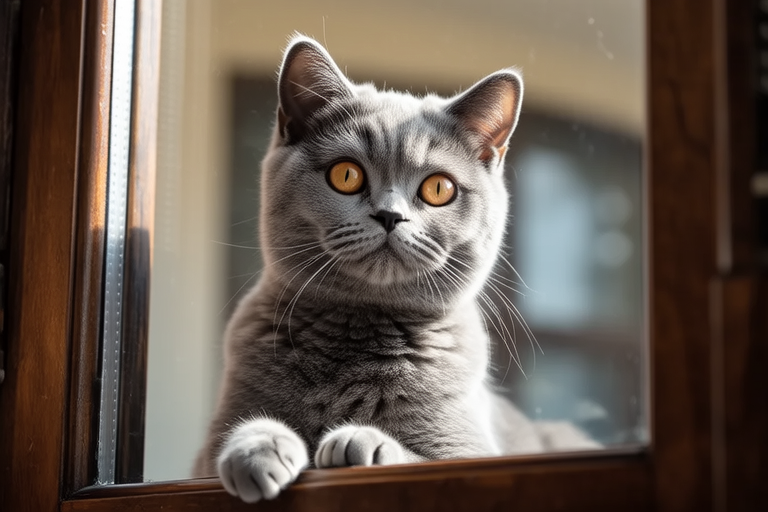
American Shorthairs are medium to large-sized cats, characterized by their muscular build and broad chests. Their heads are round, with prominent cheekbones, and their eyes are wide-set and expressive. This breed comes in a variety of coat patterns and colors, including solid, tabby, calico, tortoiseshell, and bi-colors. The most famous color variation is the silver tabby, often referred to as the ‘classic’ American Shorthair look. Their eyes can range from green to gold, adding to their striking appearance. Their short, dense coats are easy to care for and come in over eighty different colors and patterns, making each American Shorthair unique.
Distinguishing Features
One of the key features that set American Shorthairs apart from other breeds is their robust yet agile physique. Despite their strong bodies, they are surprisingly graceful and quick. Their dense coats are designed to withstand various climates, offering protection from harsh weather conditions. Additionally, their wide-set eyes and distinctive facial structure contribute to their appealing appearance. These physical traits not only make them visually striking but also enhance their adaptability and resilience.
Temperament and Adaptability
American Shorthairs are known for their calm and even-tempered disposition, making them ideal family pets. They are patient and tolerant, particularly around children and other pets. Their adaptability allows them to thrive in both urban and rural environments. Unlike some more high-strung breeds, American Shorthairs tend to be relaxed and content, enjoying the company of their human families while still maintaining a degree of independence. Their friendly and sociable nature makes them excellent companions, and they often form strong bonds with their owners.
Health Considerations
While generally healthy, American Shorthairs are susceptible to certain genetic conditions. Common issues include hypertrophic cardiomyopathy (HCM), a heart disease that affects the heart muscle, and polycystic kidney disease (PKD), which involves the formation of cysts in the kidneys. Regular veterinary check-ups and genetic testing can help monitor and manage these conditions. Proper nutrition and regular exercise are crucial in maintaining their overall health. A balanced diet rich in protein, vitamins, and minerals, along with regular playtime, will ensure your American Shorthair remains active and healthy.
Behavior and Intelligence
Despite their laid-back demeanor, American Shorthairs are intelligent and curious cats. They enjoy interactive toys and puzzles that stimulate their minds. Their intelligence is evident in their ability to learn commands and tricks, making training sessions enjoyable for both owner and cat. They are also adept communicators, often using vocalizations to express their needs or desires. Understanding their body language and vocal cues can deepen the bond between you and your cat. For instance, a slow blink might indicate contentment, while a flick of the tail could signal irritation.
Communication Methods
American Shorthairs are masters of non-verbal communication. They use subtle body movements, such as tail position, ear placement, and facial expressions, to convey their emotions. Learning to read these signals can help you understand your cat’s feelings better. They also communicate through vocalization, using meows, purrs, and chirps to interact with their environment and people. Each sound has a specific meaning, from a soft purr indicating contentment to a loud meow signaling hunger or discomfort. Observing and responding to these cues can strengthen the connection between you and your pet.
Tips for Potential Owners
If you’re considering bringing an American Shorthair into your home, there are several factors to consider. First, research reputable breeders who prioritize the health and well-being of their cats. Look for kittens that are playful, curious, and show no signs of illness. Once you bring your new cat home, provide a safe and comfortable environment, complete with scratching posts, climbing structures, and hiding spots. Gradually introduce them to other pets and children, allowing them to adjust at their own pace. Regular grooming, dental care, and veterinary visits are essential for maintaining their health and happiness.
To bond with your American Shorthair, spend quality time together daily. Engage in play sessions, offer treats, and provide affection when appropriate. Patience and consistency are key in building trust and forming a lasting relationship. Remember, every cat is unique, and it may take time to understand your pet’s individual preferences and behaviors.
In conclusion, the American Shorthair is a breed rich in history and charm. With their unique physical traits, adaptable temperament, and intelligence, they make wonderful companions for families and individuals alike. By understanding their needs and providing proper care, you can ensure a long and happy life for your American Shorthair. Whether you’re a seasoned cat owner or a first-time pet parent, adopting an American Shorthair can bring joy and companionship to your home.
