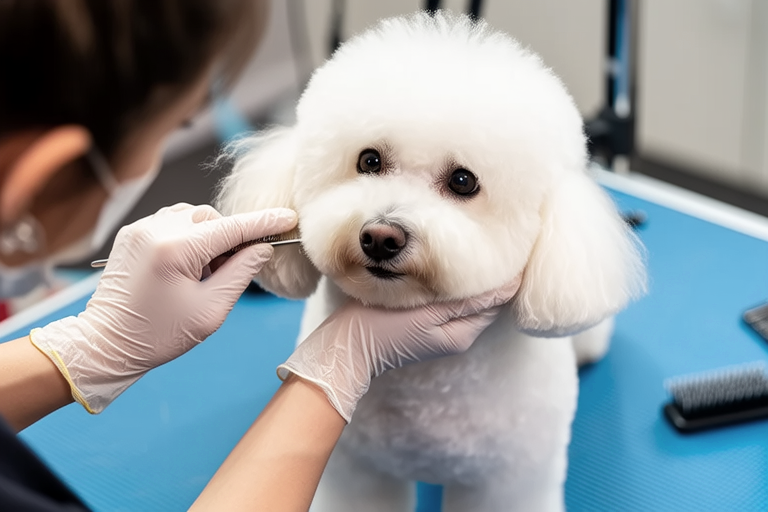
Poodle Grooming: Tips for Keeping Your Pet Fluffy and Happy
Proper grooming is essential for keeping your poodle healthy, happy, and looking their best. Regular grooming not only maintains your dog’s appearance but also ensures their overall well-being. This comprehensive guide will walk you through the importance of regular grooming, recommended tools, step-by-step instructions for bathing and drying, trimming techniques, common mistakes to avoid, and tips for maintaining hygiene between professional groomings.
The Importance of Regular Grooming
Regular grooming is crucial for poodles as it helps prevent matting, skin infections, and other health issues. It also provides an opportunity to bond with your pet, making them feel loved and cared for. Additionally, consistent grooming can help you detect any unusual lumps, bumps, or changes in your poodle’s skin early on.
Recommended Grooming Tools
To keep your poodle looking their best, invest in quality grooming tools. Here’s what you’ll need:
- Kennel-safe clippers: For trimming and shaping your poodle’s coat.
- De-matting comb: To remove tangles without causing discomfort.
- Wide-toothed comb: Useful for brushing out loose hair after bathing.
- Rubber curry brush: Great for stimulating circulation and removing dead hair.
- Dog shampoo: Choose a gentle, pH-balanced formula suitable for dogs.
- Towel and blow dryer: Essential for drying your poodle after bathing.
Bathing and Drying Your Poodle
Step-by-Step Instructions for Bathing
- Prepare the area: Lay down a non-slip mat and fill a tub or sink with warm water. Ensure the temperature is comfortable for your poodle.
- Brush your poodle: Before bathing, use a wide-toothed comb to remove any tangles. This makes the bathing process smoother and more comfortable for your pet.
- Apply shampoo: Wet your poodle thoroughly, then apply a small amount of dog shampoo. Massage it into their coat, focusing on areas prone to dirt, such as the underbelly and around the legs.
- Rinse thoroughly: Ensure all soap is rinsed off, as residual shampoo can irritate your poodle’s skin.
- Conditioner (optional): If your poodle has particularly dry skin, consider applying a conditioner specifically formulated for dogs.
Step-by-Step Instructions for Drying
- Wrap your poodle: After rinsing, wrap your poodle in a large towel to absorb excess water.
- Blow dry: Use a low setting on your blow dryer to gently dry your poodle. Start from the top of their head and work downwards. Be sure to keep the dryer moving to avoid overheating your pet’s skin.
- Final brushing: Once your poodle is dry, give them a final brush to ensure all knots are gone and their coat looks its best.
Trimming Techniques
Trimming your poodle’s coat requires precision and care. Follow these steps:
- Start at the head: Trim around the eyes and ears first. Use blunt-nosed scissors for precision.
- Muzzle and face: Trim the muzzle and face carefully, ensuring you don’t cut too close to the skin.
- Legs and paws: Trim the fur around the paws and legs to maintain a neat appearance.
- Body and tail: Finally, trim the body and tail, keeping the desired shape and length.
Remember, if you’re unsure about trimming, it’s always best to consult a professional groomer.
Common Grooming Mistakes to Avoid
Even experienced pet owners can make mistakes when grooming their poodles. Here are some common pitfalls to avoid:
- Over-bathing: Frequent baths can strip your poodle’s natural oils, leading to dry, irritated skin. Aim for once every 4-8 weeks.
- Using human products: Human shampoos and conditioners are not suitable for dogs and can cause skin irritation. Always use pet-specific products.
- Skipping nail clipping: Overgrown nails can cause discomfort and lead to joint problems. Regular nail trims are essential.
- Ignoring dental hygiene: Brush your poodle’s teeth regularly to prevent tartar buildup and gum disease.
Maintaining Hygiene Between Professional Groomings
Between professional groomings, there are several ways to maintain your poodle’s hygiene:
- Weekly brushing: Regular brushing helps remove loose hair and prevents matting. It also stimulates blood circulation and keeps your poodle’s coat shiny.
- Spot cleaning: Clean any dirty areas, such as the paws or belly, with a damp cloth and mild dog shampoo.
- Nail trimming: Keep your poodle’s nails short to prevent overgrowth and potential pain.
- Eyebrow and ear care: Trim the eyebrows and hair around the ears to improve visibility and reduce the risk of infection.
- Dental hygiene: Brush your poodle’s teeth regularly and provide dental chews to promote good oral health.
The Positive Impact of Proper Grooming
Proper grooming has numerous benefits for your poodle. Regular brushing and bathing help prevent skin conditions and parasites. Trimming your poodle’s nails and ears promotes comfort and reduces the risk of injury. Maintaining dental hygiene prevents bad breath and gum disease. Overall, grooming strengthens the bond between you and your pet, making them happier and healthier.
By following this guide, you can ensure your poodle stays fluffy, clean, and healthy. Remember, grooming is not just about appearance; it’s about caring for your pet’s well-being. With patience and practice, you’ll become a pro at keeping your poodle looking and feeling their best.
