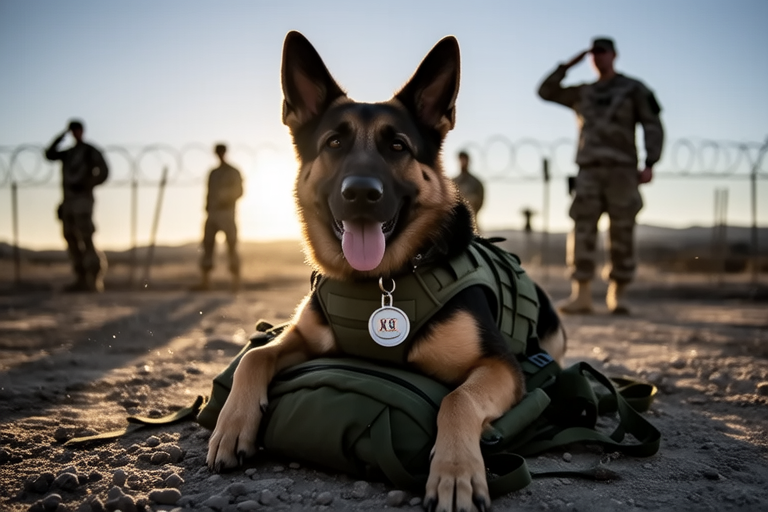
From Military to Companion: The Incredible Journey of the German Shepherd
The German Shepherd, one of the most recognizable and versatile dog breeds worldwide, has a fascinating history that spans from its origins in Germany to its current status as a beloved family pet. This breed, originally bred for herding sheep, has evolved into a multifaceted canine that excels in various roles, including military work, law enforcement, search and rescue, and as loyal companions. This article explores the journey of the German Shepherd, highlighting key historical moments and unique characteristics that have made this breed so popular.
Origins and Early Roles
The story of the German Shepherd begins in the late 19th century when Captain Max von Stephanitz, a cavalry officer and student of animal genetics, sought to create the perfect working dog. In 1899, he discovered Hektor Linksrhein, a wolf-gray puppy at a local dog show in Karlsruhe, Germany. Impressed by the dog’s intelligence, strength, and agility, von Stephanitz purchased the puppy and renamed him Horand von Grafrath. This marked the beginning of the German Shepherd Dog (GSD) breed, officially recognized by the German Kennel Club in 1899.
In its early years, the German Shepherd was primarily used for herding livestock, particularly sheep, hence its name. However, von Stephanitz envisioned the breed to be much more than just a herder. He aimed to develop a dog capable of performing various tasks, from guiding the blind to serving in the military. This versatility became a hallmark of the breed, setting it apart from other working dogs.
Evolution and Key Historical Moments
The early 20th century saw the German Shepherd gain prominence in military and police units. During World War I, the breed served in several capacities, including messengers, supply carriers, and scouts. Their keen sense of smell and ability to navigate difficult terrains made them invaluable assets. Despite the breed’s success, the end of the war brought challenges, as many countries, particularly in Europe, were wary of anything associated with Germany. This prejudice temporarily reduced the popularity of the German Shepherd in some regions.
However, the breed’s reputation began to recover after World War II. One significant moment that helped restore the German Shepherd’s image was its appearance in the movie “Rin Tin Tin.” The film starred a German Shepherd named Rin Tin Tin, who became an instant star and captured the hearts of millions. This cinematic portrayal showcased the breed’s intelligence and loyalty, helping to reestablish its popularity.
As the breed’s popularity grew, so did its variety of roles. German Shepherds found themselves working in search and rescue operations, assisting people with disabilities, and participating in competitive sports like obedience trials and agility competitions. Their adaptability and trainability made them ideal candidates for these diverse tasks.
Unique Characteristics and Versatility
One of the defining features of the German Shepherd is its intelligence. Ranked among the top three most intelligent dog breeds, German Shepherds are quick learners and can understand and follow commands easily. This high level of intelligence, combined with their strong work ethic, makes them excellent candidates for training in various fields.
Besides intelligence, German Shepherds possess remarkable physical attributes that contribute to their versatility. They are medium to large-sized dogs with strong, muscular builds, making them well-suited for physically demanding tasks. Their double coat provides protection against harsh weather conditions, while their dense undercoat keeps them warm. Additionally, their powerful jaws and sharp teeth enable them to perform tasks such as bite work and retrieving objects.
The breed’s loyalty and protective nature further enhance its appeal. German Shepherds form strong bonds with their owners and are known for their unwavering loyalty. This trait, coupled with their natural instinct to protect, makes them excellent guard dogs. However, their protective instincts must be managed carefully to ensure they do not become overly aggressive.
Transition to Family Pets
While the German Shepherd’s initial rise to fame was largely due to its working capabilities, the breed’s transition to family pets has been equally remarkable. As the breed’s reputation improved, more and more families began to adopt German Shepherds as household pets. Today, they are one of the most popular dog breeds in the world, cherished for their companionship and affection.
The transition from working dogs to family pets has not diminished the breed’s intelligence or trainability. German Shepherds continue to excel in obedience training and can be taught a wide range of commands. This makes them ideal companions for families looking for an intelligent and trainable pet. Moreover, their loyalty and protective nature provide a sense of security for families, especially those with children.
Despite their reputation as working dogs, German Shepherds also enjoy leisure activities. They are enthusiastic participants in games and enjoy spending time with their families. Their playful nature and love for outdoor activities make them great companions for active individuals and families.
Companions Today
Today, the German Shepherd remains a versatile and beloved breed, celebrated for its intelligence, loyalty, and adaptability. Whether serving in law enforcement, participating in competitive sports, or providing companionship to families, the German Shepherd continues to excel in its chosen field.
As companions, German Shepherds offer more than just loyalty and affection. They are highly attuned to their owners’ emotions and can provide emotional support during challenging times. Their presence alone can bring comfort and peace to their human families. Additionally, their intelligence allows them to learn new tricks and behaviors, keeping them mentally stimulated and engaged.
To ensure a happy and healthy life for a German Shepherd, proper care and attention are essential. Regular exercise, a balanced diet, and routine veterinary check-ups are crucial for maintaining their health. Training and socialization are also important, especially for young puppies, to help them develop good behavior and prevent potential issues.
In conclusion, the journey of the German Shepherd from its origins as a herding dog to its current status as a beloved companion is a testament to the breed’s versatility and adaptability. From its early days working alongside military forces to its current role as a cherished family pet, the German Shepherd has proven itself to be a breed of exceptional intelligence, loyalty, and adaptability. As we look to the future, it is clear that the German Shepherd will continue to play an important role in our lives, providing companionship, protection, and joy to countless families around the world.
